

blog
Why Isn’t My Hydrangea Blooming? Common Problems and Simple Fixes
Jun
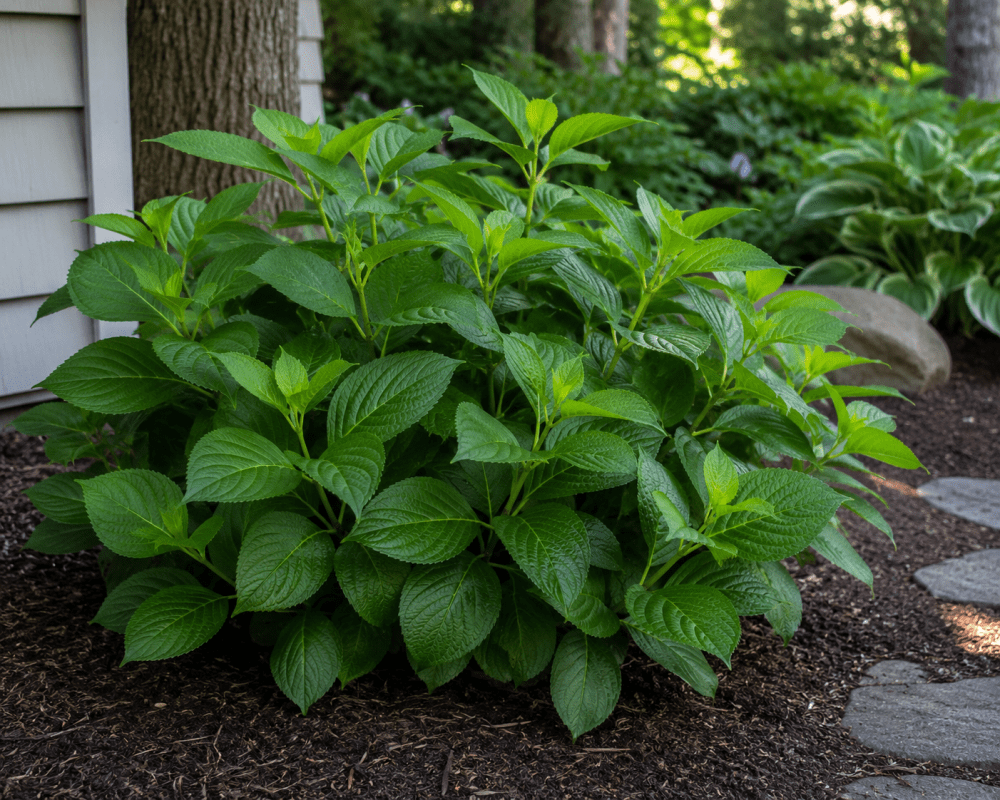
Hydrangeas are one of the most loved flowering shrubs in Southeastern Massachusetts gardens, but they can also be one of the most frustrating when they grow plenty of leaves and no flowers. If your hydrangea looks healthy but refuses to bloom, the problem usually comes down to pruning, winter damage, sunlight, fertilizer, or the type of hydrangea you have.
One of the most common reasons hydrangeas do not bloom is pruning at the wrong time. Bigleaf hydrangeas, including many mophead and lacecap varieties, often bloom on old wood. That means their flower buds are formed the previous season. If you cut them back in fall, winter, or early spring, you may accidentally remove the buds before they ever open. For these types, prune right after flowering, and keep pruning light.
Winter damage is another major issue in our Zone 6b climate. Even when the plant survives the winter, flower buds can be damaged by freezing temperatures, drying winds, or late spring cold snaps. If the stems are alive but the buds were injured, you may get leaves without flowers. Planting hydrangeas in a protected spot, adding mulch around the base, and avoiding late-season pruning can help.
Hydrangeas also need the right amount of light. Many varieties prefer morning sun and afternoon shade. Too much deep shade can lead to lush green growth with very few blooms. If your hydrangea is tucked under dense trees or on the north side of a building, it may not be getting enough sun to flower well.
Fertilizer can also play a role. Too much nitrogen encourages leafy growth instead of blooms. If you are using a high-nitrogen lawn fertilizer nearby, your hydrangea may be getting more nitrogen than it needs. Choose a balanced fertilizer or one designed for flowering shrubs, and avoid overfeeding.
Finally, know your hydrangea type. Panicle hydrangeas and smooth hydrangeas bloom on new wood, so they are more forgiving and can be pruned in late winter or early spring. Bigleaf and oakleaf hydrangeas often need more careful timing because they bloom on old wood.
If your hydrangea is not blooming, do not give up on it. With the right pruning schedule, better placement, proper feeding, and a little winter protection, most hydrangeas can return to reliable flowering.
Stop by Redwood Nursery in Swansea, MA, and our team can help you identify your hydrangea and choose the best care plan for your garden.
FAQ
Should I cut my hydrangea back every year?
Not always. Some hydrangeas bloom on old wood, and cutting them back too hard can remove next year’s flowers.
Can too much shade stop hydrangeas from blooming?
Yes. Many hydrangeas tolerate part shade, but deep shade can reduce flowering.
What is the easiest hydrangea type for reliable blooms?
Panicle hydrangeas are often the most dependable because they bloom on new wood and handle pruning more easily.

