
blog
Easy Ways to Make Your Garden More Bee, Butterfly, and Hummingbird Friendly
Jun
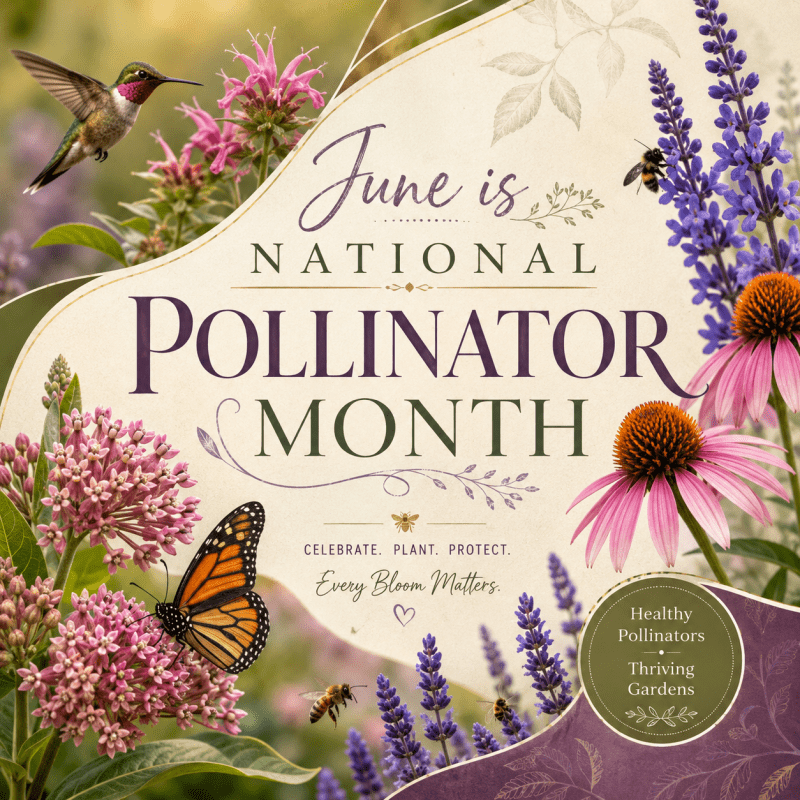
June Is National Pollinator Month: Easy Ways to Make Your Garden More Bee, Butterfly, and Hummingbird Friendly
June is National Pollinator Month, which makes it the perfect time to take a closer look at the life buzzing, fluttering, and hovering through your garden. Bees, butterflies, hummingbirds, and other pollinators play a vital role in helping flowers bloom, vegetables produce, and landscapes stay healthy. The good news is that making your garden more pollinator friendly does not require a complete redesign. A few thoughtful choices can turn your yard, patio, or container garden into a more welcoming place for the creatures that keep our gardens growing.
One of the best places to start is with native plants. Native perennials, shrubs, and flowers are naturally suited to Southeastern Massachusetts gardens, and they provide familiar food sources for local pollinators. At Redwood Nursery, look for native and pollinator-friendly options from American Beauties Native Plants, as well as flowering perennials and shrubs that offer nectar, pollen, shelter, and seasonal interest.
To keep pollinators coming back, plan for blooms throughout the growing season. Early, mid-season, and late-season flowers all matter. Nectar-rich annuals are especially helpful because they provide long-lasting color and continuous food. Favorites such as lantana, salvia, zinnias, verbena, and calibrachoa can keep containers, borders, and hanging baskets lively while supporting bees, butterflies, and hummingbirds. Perennials like coneflowers, bee balm, milkweed, black-eyed Susans, garden phlox, and catmint are excellent additions for a longer-lasting pollinator garden.
Water is another simple but often overlooked garden feature. Pollinators need access to shallow water, especially during hot summer weather. A shallow dish with stones, a birdbath with landing spots, or a small saucer tucked near flowering plants can help. Keep the water fresh and shallow so bees and butterflies can safely land and drink.
It is also important to be thoughtful about pesticide use. Not every garden insect is a problem, and many are beneficial. Before spraying, take time to identify the issue and consider whether treatment is truly necessary. When control is needed, ask the Redwood Nursery team about the best approach for your specific situation. Choosing targeted solutions and applying products carefully can help protect pollinators while still caring for your plants.
Pollinator gardens do not have to be wild or complicated. They can be beautifully designed, colorful, and easy to maintain. Whether you are planting a few containers for your patio or creating a full garden bed, every flower helps.
This June, stop by Redwood Nursery in Swansea, MA, and let us help you choose plants that support bees, butterflies, hummingbirds, and the beauty of your summer garden.
Pollinator Month App Special
Download the Redwood Nursery app and use promo code pollinator26 to receive a free perennial with a purchase of $50 or more.
Download the app here: https://apjl.app/redwoodnursery
FAQ
What are the best plants for attracting butterflies?
Butterflies are drawn to nectar-rich flowers such as coneflowers, lantana, zinnias, bee balm, milkweed, and black-eyed Susans.
How can I attract hummingbirds to my garden?
Hummingbirds love tubular flowers such as salvia, bee balm, and other brightly colored nectar plants. Planting several nectar sources together can make your garden easier for them to find.
Do pollinator gardens need native plants?
Native plants are especially valuable because they support local pollinators, but a good pollinator garden can include a mix of natives, perennials, annuals, shrubs, and herbs.
Should I avoid pesticides completely?
Avoid unnecessary pesticide use whenever possible. If a pest problem needs treatment, choose the most targeted option and apply it carefully, preferably when pollinators are not active.
Can I create a pollinator garden in containers?
Yes. Containers filled with annuals and perennials such as salvia, lantana, zinnias, verbena, and catmint can provide excellent nectar sources for pollinators.

