
blog
Why Fall Is One of the Best Times to Plant
Aug
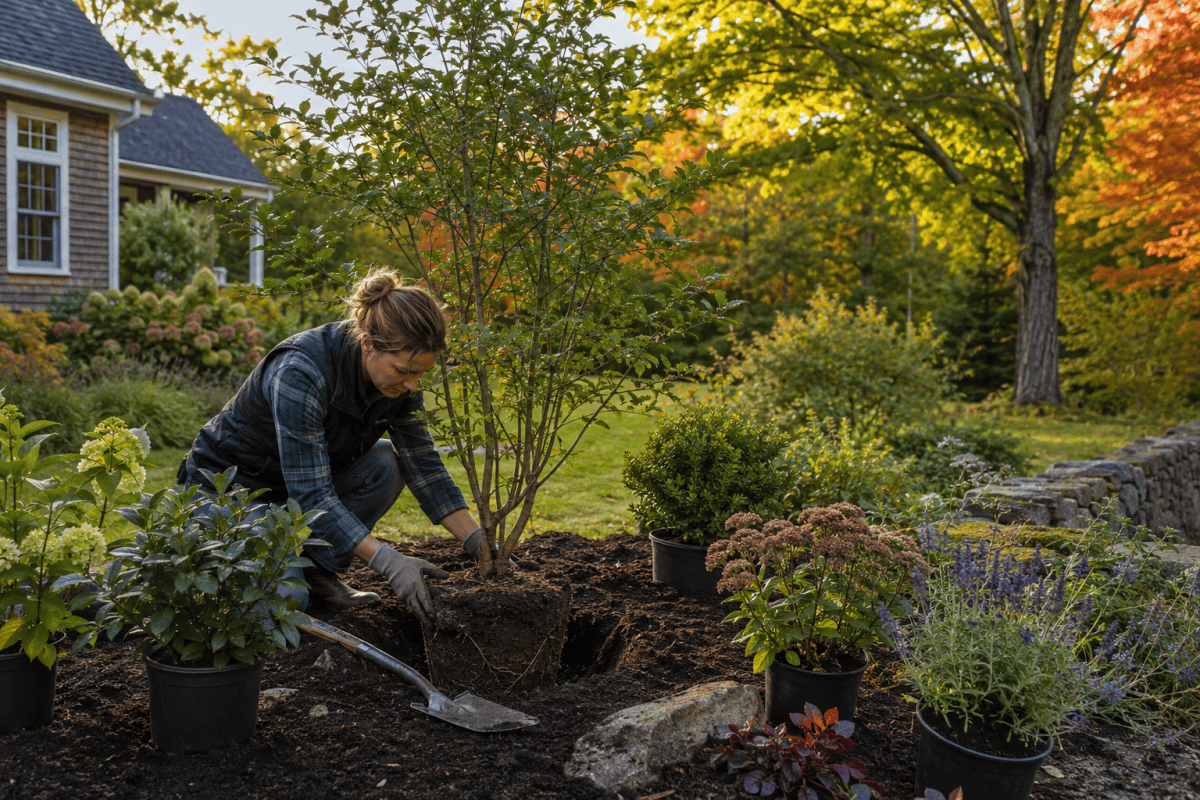
Spring may receive most of the attention, but here in southeastern Massachusetts, fall is one of the best seasons for adding trees, shrubs and perennials to the landscape. Cooler air, warm soil and reduced pressure from summer heat give new plants an excellent opportunity to become established before winter.
Fall Conditions Favor New Plants
Redwood Nursery serves gardeners in Swansea and surrounding communities, an area generally classified as USDA Hardiness Zone 7a. The USDA bases these zones on average annual extreme minimum winter temperatures, although conditions can vary somewhat by property and local microclimate. Coastal exposure, wind, elevation and protected areas near buildings can all affect how plants perform. The USDA Plant Hardiness Zone Map is a useful starting point, and the Redwood Nursery team can help you select plants suited to your particular location.
September and early fall typically bring cooler days and nights to southeastern Massachusetts, but the ground retains much of the warmth it absorbed during summer. This combination is especially favorable for root development.
Cooler Air Means Less Transplant Stress
Newly planted trees, shrubs and perennials can struggle during periods of intense summer heat. High temperatures increase water loss through leaves and can cause plants to wilt before their roots have become established.
Fall’s cooler air reduces this stress. Plants lose moisture more slowly, and gardeners generally have an easier time keeping the soil evenly moist. Planting is also much more enjoyable on a crisp fall day than during the heat and humidity of midsummer.
Warm Soil Encourages Root Growth
While the air may feel cooler, soil temperatures change more gradually. Roots can continue growing in warm soil even after a plant’s visible top growth begins slowing for the season.
This allows fall-planted trees, shrubs and perennials to develop new feeder roots before the ground becomes cold. Those roots help the plant absorb water and nutrients and provide a stronger foundation for growth the following spring.
Plants Can Focus Their Energy Below Ground
During spring and summer, plants expend considerable energy producing leaves, flowers and new stems. As the days grow shorter in fall, that top growth naturally slows.
A newly installed plant can then direct more of its energy toward establishing its root system. Instead of trying to produce flowers while also adjusting to a new location, it can settle into the soil with less competition for its resources.
Two Growing Seasons Before Summer
A fall-planted tree, shrub or perennial benefits from the remaining weeks of fall and another period of root growth the following spring. By the time hot weather arrives, it may have a considerably stronger root system than a similar plant installed during the late-spring planting rush.
This head start can improve drought tolerance and help plants handle the changing weather conditions common in southern New England.
Fall Rain Helps—but Continue Watering
Autumn may bring cooler temperatures and seasonal rain, but rainfall in southeastern Massachusetts is not always consistent. Extended dry periods can occur, and established trees may prevent light rain from reaching the soil beneath their canopies.
Check the soil regularly and water new plants deeply when needed. Deep watering encourages roots to grow downward, while frequent shallow watering can keep roots too close to the surface. Continue watering until the ground begins to freeze.
A two- to three-inch layer of mulch will help conserve moisture and moderate soil temperatures. Keep mulch a few inches away from tree trunks, shrub stems and perennial crowns.
What Should You Plant This Fall?
Fall is an excellent time to consider:
- Shade, flowering and ornamental trees
- Evergreen and deciduous shrubs
- Hydrangeas
- Many hardy perennials
- Groundcovers
- Spring-flowering bulbs
- Plants being used to create privacy, structure or four-season interest
Visit Redwood Nursery with photos, measurements and information about the amount of sunlight your planting area receives. Our team can help you choose plants appropriate for your space, soil conditions and goals.
Frequently Asked Questions About Fall Planting
How late can I plant in southeastern Massachusetts?
Trees and shrubs can often be planted well into fall as long as the soil remains workable and the ground has not frozen. Earlier planting provides more time for root development, so September and October are especially valuable planting months. Perennials generally benefit from being planted earlier than trees and shrubs so their smaller root systems have time to settle in.
Will a newly planted tree or shrub survive the winter?
Yes, provided it is hardy for the area, planted correctly and watered consistently. Choosing plants suited to Zone 7a is an important starting point, but exposure, drainage and local microclimates also matter. Ask the Redwood Nursery team for recommendations if your property is especially windy, wet, exposed or close to the coast.
Do I still need to water if the weather is cool?
Yes. Cooler temperatures reduce moisture loss, but new plants still need water to establish roots. Check the soil rather than relying solely on the weather. If the root zone feels dry a few inches below the surface, water slowly and deeply.
Should I fertilize newly planted trees and shrubs in fall?
Avoid encouraging a flush of tender new growth late in the season. Focus first on correct planting, consistent watering and healthy soil. Redwood Nursery can recommend an appropriate soil amendment or root-supporting product based on the plant and your site conditions.
Should I prune a plant when I install it?
Remove broken, damaged or clearly dead branches, but avoid heavy pruning simply to compensate for transplanting. Most newly planted trees and shrubs need their foliage and healthy stems to support establishment. More extensive pruning can usually wait until the correct season for that particular plant.
Is mulch necessary for fall planting?
Mulch is highly beneficial. A two- to three-inch layer helps retain moisture, limits competition from weeds and protects roots from rapid temperature changes. Avoid piling mulch against a trunk or stem, which can trap moisture and cause damage.
What if I am unsure which plant is right for my yard?
Bring Redwood Nursery a few photos of the area, basic measurements and notes about sunlight, drainage and what you hope to accomplish. Whether you need shade, privacy, seasonal color or a strong focal point, our team can help you find a plant that fits the location.
Fall is not the end of the gardening season—it is the beginning of next year’s garden. Visit Redwood Nursery this fall and give your new trees, shrubs and perennials a head start on stronger growth next spring.

