
blog
🌿 The ABCs of Soil Amendments: Compost, Lime, Peat & More
Sep
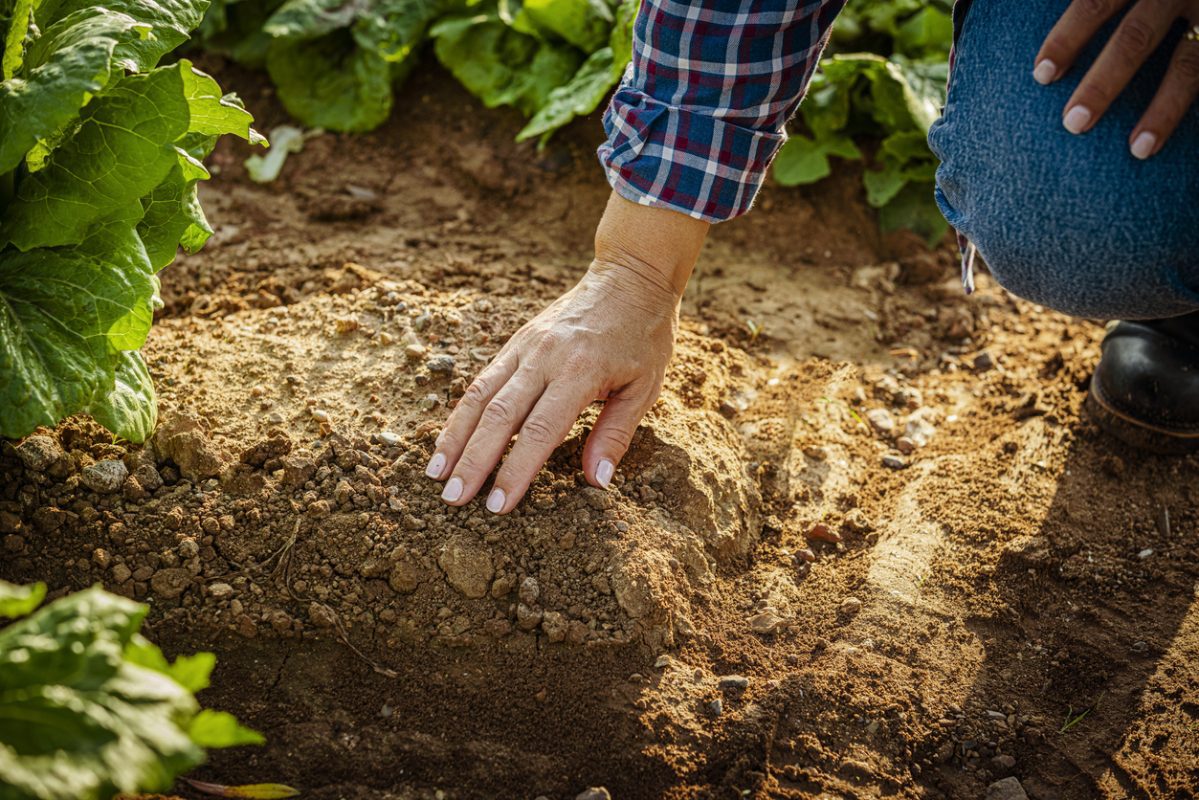
Healthy plants start with healthy soil, and sometimes soil needs a little help. That’s where soil amendments come in. Unlike fertilizers, which feed your plants directly, soil amendments improve the structure, texture, and balance of your soil itself. At Redwood Nursery, we focus on organic, sustainable solutions that bring long-term benefits to your garden.
Why Use Soil Amendments?
-
Improve Structure: Loosen heavy clay or add body to sandy soil.
-
Balance pH: Adjust acidity or alkalinity so nutrients are more available to plants.
-
Boost Fertility: Enrich soil with organic matter that feeds beneficial microbes.
-
Support Sustainability: Healthy soil reduces the need for chemicals and conserves water.
👉 Related: [The Complete Guide to Garden Soil Health]
Common Soil Amendments
Compost
-
Made from decomposed organic material.
-
Improves water retention in sandy soils.
-
Lightens heavy clay soils for better drainage.
-
Adds organic matter that feeds soil microbes.
-
Redwood Pick: Coast of Maine Penobscot Blend Compost & Peat
Lime
-
Raises soil pH (reduces acidity).
-
Essential in Southeastern Massachusetts, where soils tend to be naturally acidic.
-
Improves nutrient availability for lawns, vegetables, and ornamentals.
-
Redwood Pick: Espoma Organic Garden Lime
Peat Moss
-
Holds moisture and improves aeration.
-
Helps sandy soils retain nutrients.
-
Best used in combination with compost to build organic matter.
-
Redwood Pick: Coast of Maine Premium Peat Moss
Gypsum
-
Loosens compacted clay soils without altering pH.
-
Adds calcium to improve soil structure.
Other Organics (Leaves, Straw, Aged Manure)
-
Add bulk organic matter.
-
Support natural nutrient cycling.
-
Encourage earthworms and beneficial fungi.
How to Choose the Right Amendment
-
Test Your Soil: A pH test will show if you need lime, sulfur, or just organic matter.
-
Match to Your Goal:
-
Need better drainage? Add compost or gypsum.
-
Too acidic? Add lime.
-
Too sandy? Add compost and peat.
-
-
Think Long-Term: Amendments improve soil over time — be patient and consistent.
👉 Related: [pH and Plant Health: Why Soil Testing Matters]
FAQ: Soil Amendments
Q: Do soil amendments replace fertilizer?
A: No. Amendments improve soil health, while fertilizers provide nutrients. Both play important roles.
Q: How often should I add compost?
A: Once or twice a year — in spring and fall — is ideal for most garden beds.
Q: Can I use peat moss alone as an amendment?
A: Peat is best mixed with compost or other organic matter to balance its effects.
🌎 Local Expertise
In Southeastern Massachusetts, acidic soils are the norm. That makes lime and compost especially important for balancing soil and promoting long-term fertility. At Redwood Nursery, we recommend organic, sustainable amendments that work with the environment — not against it.
🛒 Visit Redwood Nursery
Stop by Redwood Nursery for Coast of Maine compost and peat, Espoma organic lime, and other premium amendments. Our team will help you choose the right products for your soil and your plants — so your garden thrives from the ground up.

