
blog
🌱 The Complete Guide to Garden Soil Health
Sep
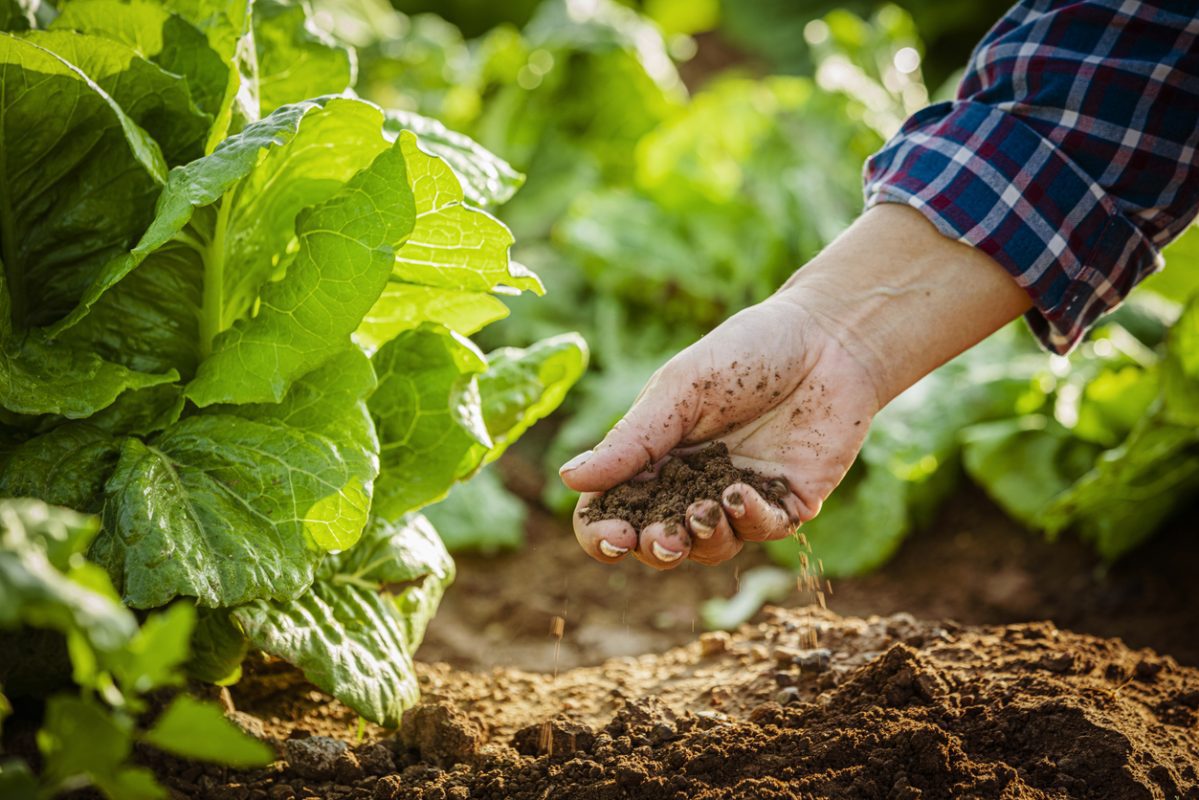
At Redwood Nursery, we believe that healthy soil is the foundation of every thriving garden. Whether you’re planting vegetables, flowers, or native shrubs, success begins underground. By understanding and improving your soil, you’ll grow stronger plants, conserve water, and garden more sustainably — the Redwood way.
What Is Soil Health?
Soil health is about more than dirt — it’s about balance. A healthy soil:
-
Has the right mix of sand, silt, and clay.
-
Contains rich organic matter.
-
Drains well but retains enough moisture.
-
Is alive with earthworms, microbes, and beneficial fungi.
-
Maintains a balanced pH and nutrient profile.
Good soil = fewer problems above ground.
Soil Texture: Clay, Sand, and Loam
-
Clay: Rich in nutrients but slow to drain, common in many Southeastern Massachusetts yards.
-
Sand: Quick-draining but doesn’t hold nutrients — often what gardeners find near the coast.
-
Loam: The “gardener’s gold” — crumbly, fertile, and moisture-retentive.
👉 Learn more: Understanding Soil Types: Clay, Sand, and Loam
The Power of Organic Matter
Organic matter is the heart of sustainable soil health. Adding compost, shredded leaves, or Coast of Maine soils:
-
Improves texture and fertility.
-
Supports beneficial organisms.
-
Increases water-holding capacity in sandy soils.
-
Loosens heavy clay for better drainage.
👉 Learn more: The ABCs of Soil Amendments
The Role of pH and Nutrients
Most plants prefer a slightly acidic soil (6.0–6.8). In Southeastern Massachusetts, soils often test on the acidic side. Adjusting pH helps plants access nutrients more easily.
-
Nitrogen (N): Fuels leafy green growth.
-
Phosphorus (P): Supports strong roots and blooms.
-
Potassium (K): Builds overall plant resilience.
👉 Learn more: Fertilizer 101: How to Read an NPK Label
How to Test Your Soil
-
Collect samples from different beds.
-
Use a home test kit or bring results from a professional lab.
-
Adjust with Espoma organic fertilizers or lime as recommended.
Testing every 2–3 years keeps your soil — and your plants — in balance.
👉 Learn more: pH and Plant Health: Why Soil Testing Matters
Mulching and Long-Term Soil Care
Mulch is more than just decoration. A 2–3 inch layer of bark, compost, or straw:
-
Protects roots from temperature swings.
-
Retains soil moisture.
-
Prevents weeds.
-
Breaks down into organic matter to feed your soil naturally.
👉 Learn more: Mulching Made Simple
FAQ: Soil Health
Q: Can I improve clay or sandy soil?
A: Absolutely. Adding compost and Coast of Maine organic amendments will transform poor soils over time.
Q: Do I still need fertilizer if I use compost?
A: Yes — compost improves long-term fertility, but many plants benefit from Espoma fertilizers during active growth.
Q: What’s the best mulch for soil health?
A: Organic mulches like bark, straw, or compost feed the soil as they break down, keeping your garden both healthy and sustainable.
Quick Takeaway
-
Healthy soil = fewer problems and stronger plants.
-
Add organic matter for structure and fertility.
-
Test soil pH every few years.
-
Mulch for moisture, temperature, and long-term health.
Local Info
Here in Southeastern Massachusetts, acidic soils are common. That makes organic matter and pH balance especially important for long-term success. At Redwood Nursery, we focus on organic, sustainable solutions that work with nature — not against it.
What’s Next
Visit Redwood Nursery for compost, Coast of Maine soils, Espoma organic fertilizers, and premium mulches. Our team can help you test your soil, choose the right amendments, and build a healthier garden from the ground up.

