
blog
Understanding USDA Growing Zones: Navigating Hardiness and Selecting Plants
Jan
When planning your garden, understanding the USDA Hardiness Zone Map is as crucial as knowing your plants. This guide, a staple for gardeners and farmers, helps predict which plants will thrive in a particular location. Let’s delve into what these growing zones mean, how to use them, and what recent changes might mean for your garden.
What Are Growing Zones?
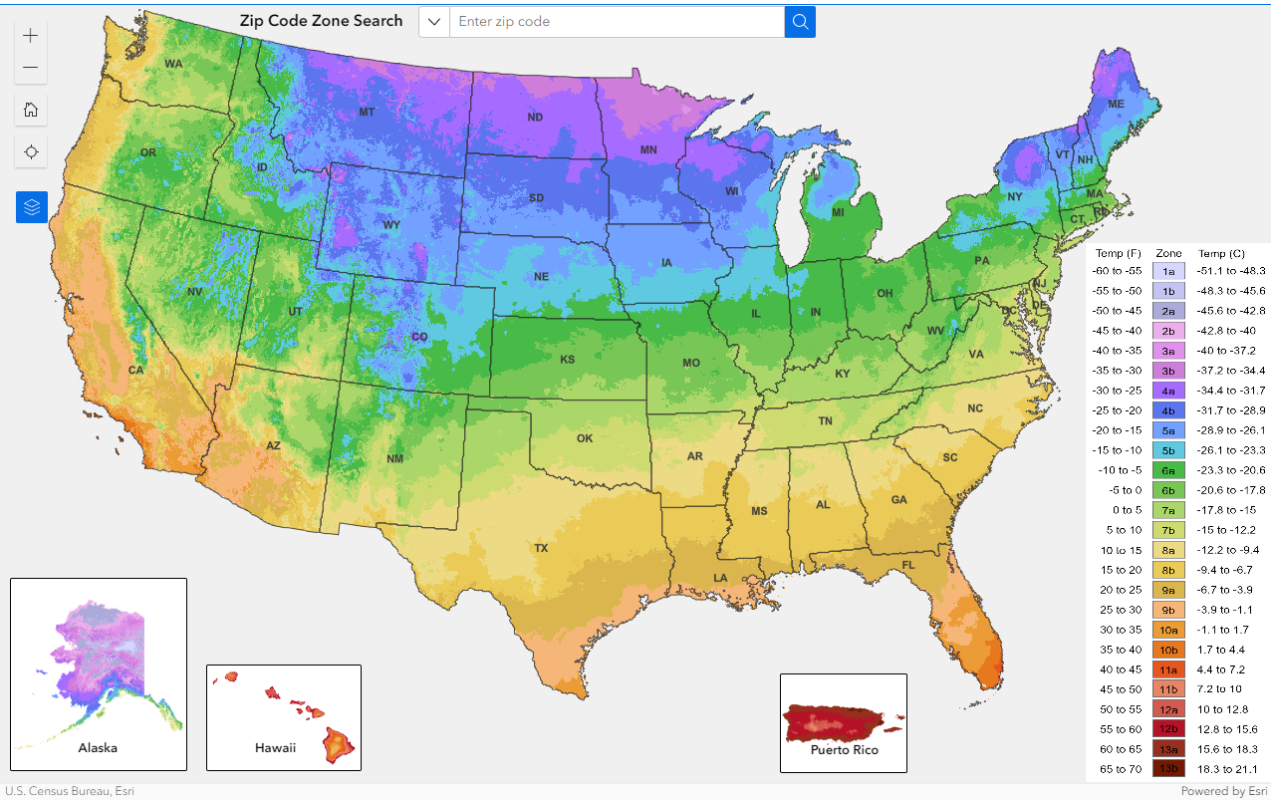
Growing zones, or hardiness zones, are geographically defined areas in which specific categories of plant life are capable of growing based on climatic conditions, primarily minimum temperatures. The United States Department of Agriculture (USDA) Hardiness Zone Map divides North America into 13 primary zones with subzones identified by ‘a’ or ‘b’ based on warmer or cooler parts of the zone.
Reading the USDA Zone Map
The USDA Zone Map is your gardening compass. Each zone represents a 10-degree Fahrenheit range of average annual minimum temperatures. For example, Zone 6 represents areas where the average annual minimum temperature falls between -10 and 0 degrees Fahrenheit. Subzones, such as 6a and 6b, break it down further into 5-degree increments.
To find your specific zone, you can enter your zip code on the USDA website or consult a detailed map. The zone designation helps you understand what plants can survive winter in your location.
How to Use Growing Zones for Selecting Plants
When selecting plants, look for the zone number on plant tags or in catalogs. This number indicates the range of zones where the plant can typically grow. If you’re in Zone 5, for example, and a plant is labeled as “Zone 6-9,” it might not survive your colder winters.
However, don’t be discouraged if you fall in love with a plant slightly out of your zone. Microclimates within your garden, such as protected southern walls or shaded areas, can provide slightly warmer or cooler conditions. With some mulching, wind protection, or strategic placement, you might be able to push the boundaries of your zone.
Recent Changes and Updates to the Map
The USDA Zone Map was most recently updated in 2023, reflecting newer climate data. Some zones have shifted, indicating warming trends. These changes are essential for gardeners to note as they may expand the variety of plants that can be grown. It’s wise to consult the latest map and observe patterns in your local area, as microclimates might not be fully captured in the broad zones.
Zone Hardiness and Beyond
While hardiness zones are a fantastic starting point, remember that they don’t capture every aspect of plant survival. Soil type, humidity, heat, wind, and water availability also affect growth. For best results, consider these factors alongside the zone information. Observe and keep records of what works in your specific conditions.
Understanding and utilizing USDA Hardiness Zones can significantly enhance your gardening success. By choosing plants suited to your climate, you’re more likely to enjoy a flourishing garden. Embrace the zone guide as a foundational tool, but also get to know the unique character of your garden space. Happy gardening!
Additional Resources
- For the most current USDA Hardiness Zone Map, visit USDA’s website.
- Local extension offices and gardening clubs often provide tailored advice and resources for gardening in your specific zone.
With this comprehensive guide, you’re now better equipped to understand growing zones and make informed decisions about the plants in your garden. Whether you’re adjusting to recent changes or just getting started, here’s to your best garden yet!
The USDA Plant Hardiness Zone Map is the standard by which gardeners and growers can determine which perennial plants are most likely to thrive at a location. Stacey breaks down the 5 main points you need to know to understand the USDA zone map and use it accurately. Find the map and your zone here, https://planthardiness.ars.usda.gov/

