
blog
Top 10 Early-Blooming Plants That Support Bees & Butterflies
Mar
Start the Season Strong with Pollinator-Friendly Plants from Redwood Nursery
As spring arrives in Zone 6b, gardeners in the Northeast are eager to get growing—but so are pollinators. Bees and butterflies emerge early, often before many plants are in bloom, making early-season nectar sources essential for their survival.
At Redwood Nursery, early-blooming plants are more than just a seasonal highlight—they’re a smart way to build a thriving, pollinator-friendly garden right from the start. Here are 10 standout varieties to feature in your landscape this spring:
1. Crocus
These cheerful bulbs push through cold soil and even snow, offering one of the first nectar sources for bees.
2. Snowdrops (Galanthus)
Among the earliest bloomers, snowdrops provide critical pollen for honeybees when little else is available.
3. Hellebores (Lenten Rose)
A Redwood Nursery favorite for shade gardens, hellebores bloom late winter into early spring and are highly attractive to pollinators.
4. Lungwort (Pulmonaria)
With its unique foliage and early blooms, lungwort is a reliable nectar source for emerging bees.
5. Virginia Bluebells
A native woodland plant that thrives in Zone 6b conditions, offering both beauty and strong pollinator support.
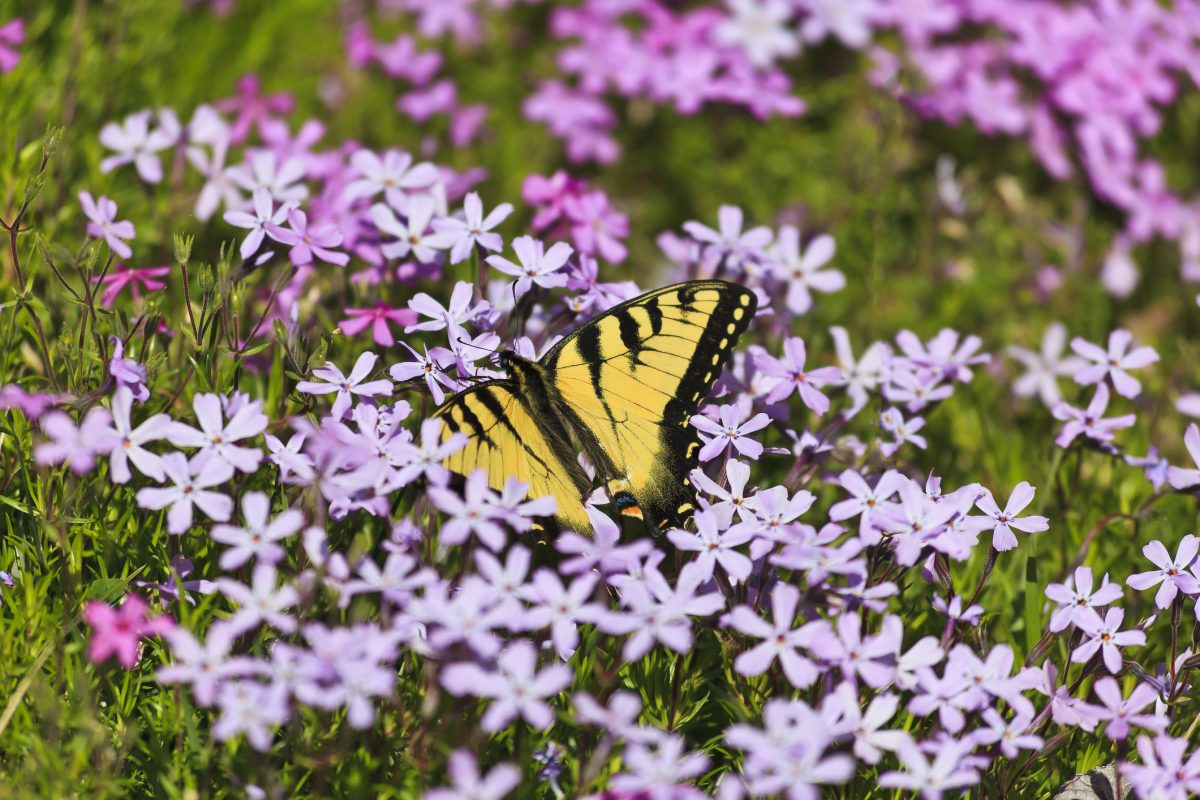
6. Creeping Phlox (Phlox subulata)
A spring staple, this groundcover creates vibrant carpets of color while feeding both bees and butterflies.
7. Willow (Salix)
Often overlooked in retail settings, willow catkins are one of the richest early pollen sources available.
8. Red Maple (Acer rubrum)
Native to the region, red maples bloom before leaf-out and provide an important early food source.
9. Bleeding Heart (Dicentra)
A classic perennial that attracts early bumblebees with its distinctive blooms.
10. Golden Alexander (Zizia aurea)
An excellent native plant that supports pollinators and serves as a host plant for swallowtail butterflies.
Why This Matters in Zone 6b
In regions like the Northeast, spring can be unpredictable. Pollinators depend on reliable early bloomers to bridge the gap between winter dormancy and peak growing season. By planting a mix of these varieties, gardeners can ensure continuous food sources and stronger pollinator populations.
For garden centers like Redwood Nursery, this also represents a key merchandising opportunity. Early-season shoppers are motivated, and pollinator-friendly plants align with current consumer interest in sustainability and native gardening.
Pair Plants with the Right Products
To get the most out of early bloomers, pairing plants with the right soil and fertilizer is essential:
- Espoma Organic Plant-tone for strong root development and early growth
- Coast of Maine soils to improve drainage and nutrient availability in cool spring conditions
- Bonide products for safe, targeted pest control that won’t harm pollinators when used properly
These product pairings not only improve plant success but also create natural upsell opportunities in-store and online.
Tips for Early Spring Pollinator Success
- Plant in clusters to make it easier for pollinators to locate blooms
- Incorporate native plants for maximum ecological benefit
- Avoid applying pesticides during bloom periods
- Add a shallow water source to support pollinator hydration
Shop Early, Plant Early
Redwood Nursery offers a curated selection of hard-to-find and pollinator-friendly plants, many available for direct shipping. Early spring is the ideal time to plant these varieties and get ahead of the season.
Whether you’re refreshing your garden beds or designing a pollinator habitat, starting with early bloomers sets the foundation for success.
FAQ
What is the best early plant for pollinators?
Crocus and hellebores are among the most reliable early-season nectar sources.
Do these plants work in colder climates?
Yes—these selections are well-suited for Zone 6b and similar regions.
Are native plants better for bees and butterflies?
Generally, yes. Native plants like Virginia bluebells and Golden Alexander provide the best support.
When should I plant early bloomers?
Bulbs are best planted in fall, while perennials and shrubs can be planted in early spring.
Can I order these plants online from Redwood Nursery?
Yes—many varieties are available through Redwood Nursery’s online shop for convenient home delivery.
Early-blooming plants are one of the simplest ways to make a meaningful impact in your garden. By planting early and choosing pollinator-friendly varieties, you’re not just adding color—you’re supporting an entire ecosystem from day one.

