

blog
The Magic of Winter Pruning: Why and How to Prune During Dormant Months
Nov
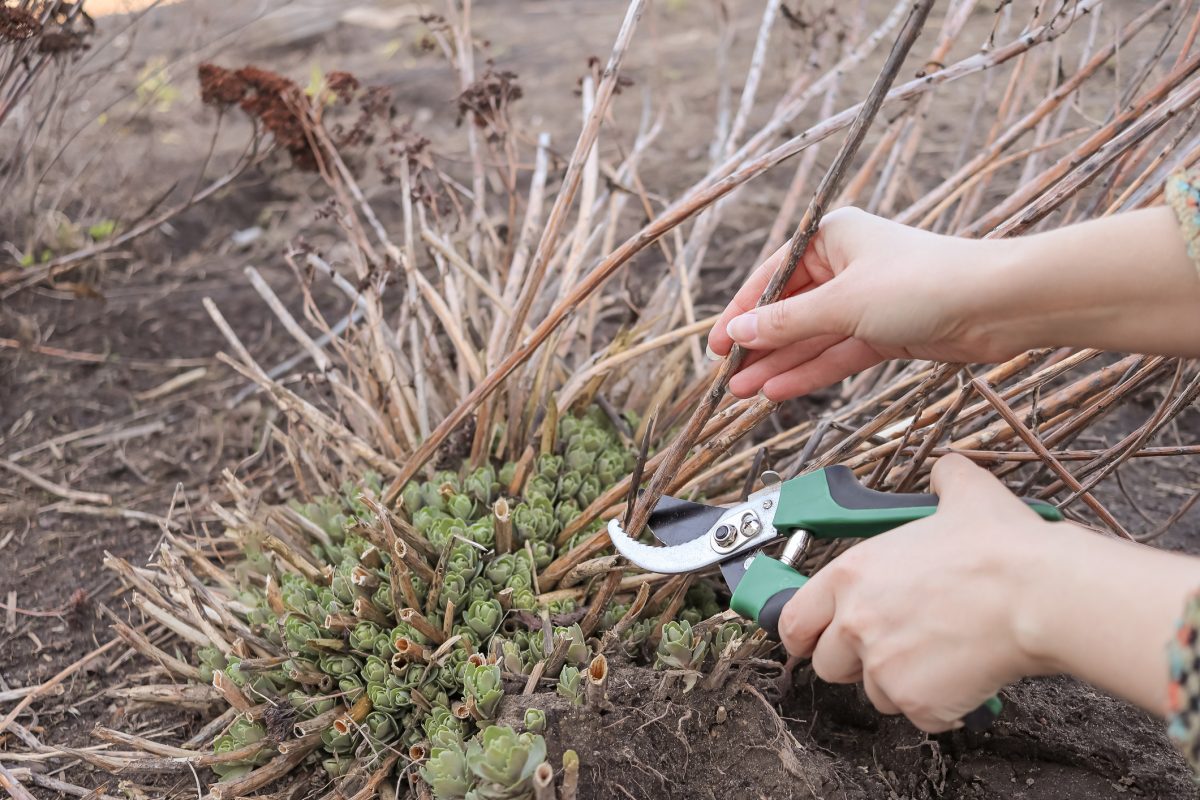
As winter approaches and gardens across Southeastern Massachusetts begin to slow down, many gardeners see it as a time to rest. But for the intermediate gardener, winter offers a unique opportunity to help trees, shrubs, and roses thrive come spring. Winter pruning—done during the dormant months—can strengthen plant health, enhance shape, and set the stage for vigorous spring growth. In this post, we’ll cover the basics of winter pruning, along with practical tips for making the most of this gardening task.
Why Prune in Winter?
Winter pruning is an effective practice for several reasons:
- Enhanced Plant Health: Dormant pruning helps remove dead, diseased, or damaged branches that could otherwise drain energy from the plant. By cutting back these problematic areas, you allow your trees and shrubs to concentrate their energy on healthy growth once spring arrives.
- Improved Shape and Structure: Pruning in winter provides a clearer view of the plant’s structure without dense foliage in the way. This “bare-bones” view allows for precise cuts that improve shape, control size, and prevent overgrowth. Proper pruning also encourages the development of a sturdy structure, reducing the risk of branch breakage in high winds.
- Encouragement of New Growth: When pruned during dormancy, plants experience a strong growth response in the spring. By strategically cutting back branches, you stimulate growth points, resulting in fuller foliage, more blooms, and a healthier plant overall.
What to Prune in Winter
Winter pruning is particularly beneficial for most deciduous trees, shrubs, and roses. Here’s a closer look at each:
1. Trees
Deciduous trees, especially shade and ornamental varieties like maple, birch, and oak, benefit greatly from winter pruning. Look for branches that cross over each other, rubbing and potentially damaging bark, or limbs that crowd the center of the tree. Removing these branches promotes airflow, reduces disease risk, and encourages a balanced shape.
Tip: Avoid pruning spring-flowering trees like magnolias and dogwoods in winter, as they’ve already set their buds. Prune these after they bloom to avoid reducing flower production.
2. Shrubs
Many flowering shrubs, such as hydrangeas and lilacs, benefit from winter pruning as it promotes strong new growth. However, some shrubs flower on old wood, so it’s essential to know your plant’s growth habit. For instance, Proven Winners’ shrubs like certain varieties of spirea and weigela respond well to winter pruning, while azaleas and rhododendrons should be pruned only after they flower.
Tip: When pruning shrubs, start by removing any dead or damaged branches, then move on to shaping. Use sharp pruners and make clean cuts just above a bud or branching point to encourage even growth.
3. Roses
Roses are hardy plants, but winter pruning ensures they’ll come back fuller and stronger in spring. Start by cutting out any dead or diseased canes, then trim the remaining canes back to around knee height. Aim for an open shape that allows airflow through the center, which reduces disease risk.
Tip: Always use sanitized pruners when working with roses to prevent spreading any pathogens between plants. Dip your tools in rubbing alcohol between cuts, especially when pruning diseased canes.
Basic Winter Pruning Tips
Pruning can seem daunting, but with a few simple guidelines, even intermediate gardeners can approach this task with confidence:
- Use the Right Tools: Invest in quality tools, including sharp pruners, loppers, and possibly a pruning saw for thicker branches. Dull tools can tear bark and harm plants, so keeping them sharp is essential.
- Make Clean Cuts: For each cut, aim just above a bud or branching point, angled slightly away from the bud. This technique encourages healthy regrowth and prevents water from sitting on the cut surface, reducing rot risk.
- Start Small: If you’re new to winter pruning, start with a few simple cuts. Remove dead and damaged branches first, then gradually shape the plant. Pruning doesn’t have to be perfect; plants are resilient and will respond well to careful shaping.
- Consult a Local Expert: Every plant has its unique growth habit, and it can be helpful to speak with local gardening experts about your specific plants. The team at Redwood Nursery in Swansea is happy to offer guidance on what to prune, when to prune, and how to care for each of your garden’s unique needs.
Sustainable Gardening and Winter Pruning
Winter pruning is also a sustainable gardening practice, as it allows for minimal intervention while maximizing plant health. By pruning selectively, you’re supporting a plant’s natural growth habits without overworking the soil or relying on chemical interventions. At Redwood Nursery, we prioritize organic gardening techniques and offer products like Espoma fertilizers and Proven Winners’ ColorChoice shrubs, ideal for a healthy, sustainable landscape that thrives in Southeastern Massachusetts.
Visit Redwood Nursery for Personalized Pruning Advice
Winter pruning is a rewarding way to nurture your garden during the colder months and ensure a lush, vibrant spring. Whether you’re an experienced gardener or just starting to refine your pruning skills, Redwood Nursery is here to help. Stop by to chat with our knowledgeable team and get personalized advice on winter pruning techniques.
For those who want to take advantage of exclusive deals and seasonal tips, be sure to download the Redwood Nursery app. New users can use the promo code welcome24 for $10 off a purchase of $65 or more—a great way to stock up on tools and supplies for winter gardening.
With the right knowledge and tools, winter pruning becomes a magical step toward a thriving garden in every season. Happy pruning, and we hope to see you at Redwood Nursery soon!

