
blog
Mastering Mulch: How and Why to Mulch Your Fall Garden
Oct
As we transition into fall, the changing temperatures and shorter days signal that it’s time to prepare your garden for the colder months ahead. One of the best steps intermediate gardeners can take to ensure a healthy, thriving garden year-round is mastering the art of mulching. Mulching in the fall not only protects your plants but also enriches your soil, helping it stay healthy and productive.
At Redwood Nursery, we prioritize sustainable gardening practices, and mulching is an essential element in organic and eco-friendly garden care. Let’s dive into some advanced mulching techniques, such as compost mulching and sheet mulching, and explore how these methods benefit your garden’s soil health, moisture retention, and weed control.
Why Mulch in the Fall?
Mulching is often thought of as a spring task, but fall is an equally—if not more—important time to mulch. As the leaves fall and the weather cools, mulching can help insulate the soil, regulate moisture levels, and protect roots from frost. Beyond these immediate benefits, fall mulching helps build a healthier garden ecosystem by enhancing soil fertility and structure, which will set your garden up for success when spring arrives.
Benefits of Fall Mulching
- Soil Health: Organic mulches break down over time, adding valuable nutrients back into the soil. This natural decomposition process mimics what happens in forests, where leaves and plant matter create a rich, organic layer of topsoil. By using compost or organic mulch, you can improve the soil’s structure, increase its ability to retain water, and support beneficial microorganisms.
- Moisture Retention: Mulch helps lock in moisture, which is crucial for plant roots as the weather cools and natural rainfall becomes less predictable. In the often variable climate of Southeastern Massachusetts, moisture retention is key for a thriving fall garden. Mulch acts as a protective barrier, preventing evaporation and keeping your soil hydrated for longer.
- Weed Control: Weeds compete with your garden plants for water, nutrients, and light. Mulching creates a physical barrier that suppresses weed growth by blocking sunlight, making it harder for weeds to establish themselves in your garden.
Now that we understand why mulching is important, let’s look at some advanced techniques that will take your fall gardening to the next level.
Compost Mulching: Feeding the Soil Naturally
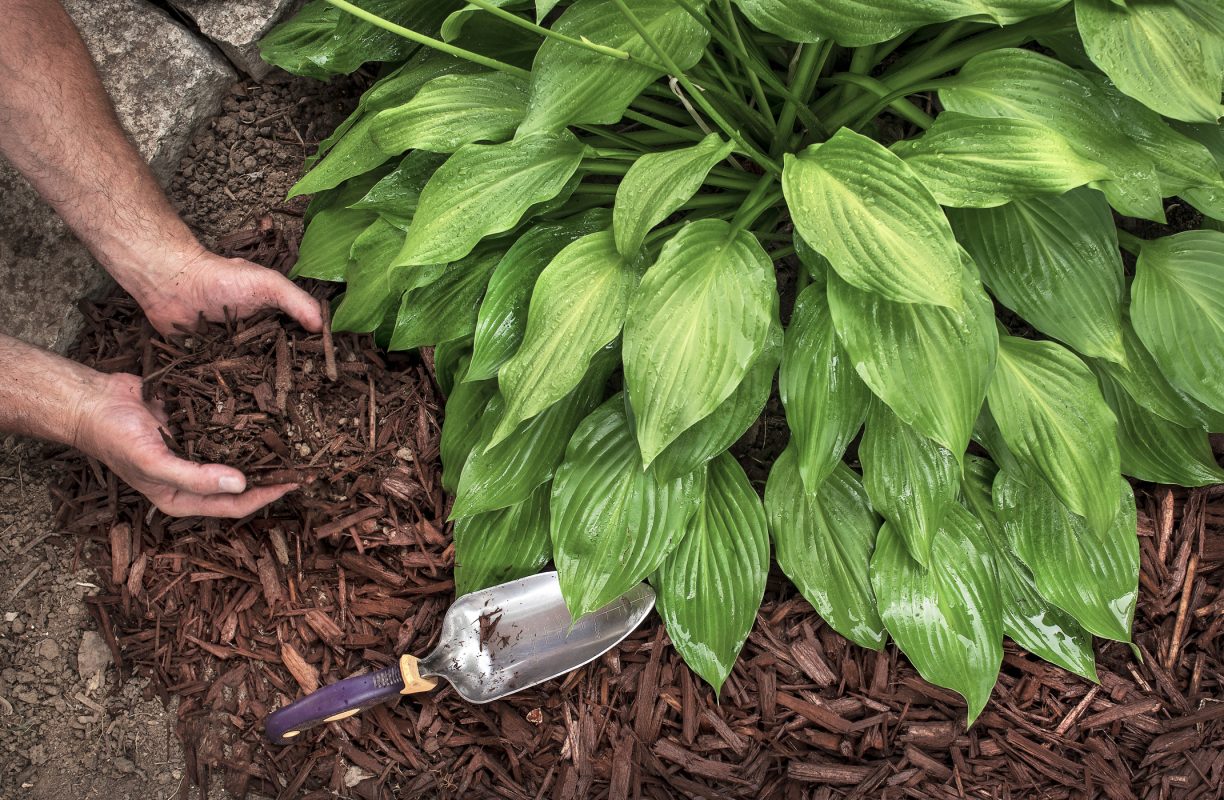
Compost mulching is an excellent way to improve soil fertility while mulching your garden. This technique involves spreading a thin layer of compost over your garden beds, followed by a thicker layer of organic mulch, such as straw, leaves, or shredded bark.
How to Apply Compost Mulch:
- Prepare Your Soil: Before applying compost, clear away any debris and lightly loosen the soil to improve aeration and allow the compost to integrate with the existing soil.
- Spread the Compost Layer: Apply a 1-2 inch layer of well-aged compost directly onto the soil. Avoid using fresh compost, as it can attract pests or introduce weed seeds. Compost from Espoma, with its rich blend of natural ingredients, works wonders in boosting soil health and providing a slow-release nutrient source.
- Top with Organic Mulch: After spreading the compost, cover it with 2-4 inches of organic mulch. Hardwood bark mulch, shredded leaves, or straw work well. The top mulch layer will protect the compost, hold in moisture, and further suppress weeds.
Compost mulching helps build long-term soil fertility and can be particularly beneficial for perennials, trees, and shrubs. At Redwood Nursery, we recommend this method for those who are passionate about sustainable gardening and want to see continual improvements in their soil structure and plant health.
Sheet Mulching: Smother Weeds and Build Rich Soil
Sheet mulching, often referred to as “lasagna gardening,” is a technique that involves layering organic materials to suppress weeds and improve soil health over time. This method is perfect for preparing new planting areas or revitalizing a section of your garden that has become overrun with weeds.
How to Apply Sheet Mulch:
- Start with Cardboard or Newspaper: Lay down a layer of cardboard or several sheets of newspaper over the area you want to mulch. This will smother any existing weeds or grass. Make sure to overlap the edges so no gaps are left uncovered. This biodegradable layer will break down over time, enriching the soil beneath it.
- Add Organic Materials: Layer organic materials such as grass clippings, compost, and leaves on top of the cardboard or newspaper. This will begin the process of creating rich, healthy soil, similar to how forest floors build up layers of organic matter over time.
- Top with Mulch: Finish the process by adding a thick layer of mulch—around 3-4 inches—on top. This will keep everything in place, insulate the soil, and prevent any weeds from sprouting through.
Sheet mulching is an ideal solution for areas that need a weed reset or for gardeners who want to avoid heavy digging or soil disruption. It’s a low-maintenance, high-impact method that improves soil health over time.
Best Mulching Products for Your Fall Garden
At Redwood Nursery, we carry a variety of mulching products to suit your needs. For gardeners focusing on organic practices, we recommend using natural mulches like shredded bark, leaf mulch, or Espoma’s organic compost blends. These products not only improve your soil but are also environmentally friendly, aligning with our commitment to sustainable gardening.
Additionally, for those looking to integrate colorful and structural plants into their gardens, mulching around Proven Winners perennials and ColorChoice Shrubs provides the perfect base for healthy growth. For a boost of nutrients, consider using Espoma Fertilizers alongside your mulch for an extra layer of care.
Mastering the art of mulching is key to maintaining a healthy, sustainable garden year-round. By embracing advanced techniques like compost and sheet mulching, you’re not only protecting your plants during the fall but also enhancing your soil for future planting seasons. Mulching is more than just a finishing touch—it’s an essential part of a garden’s health and longevity.
At Redwood Nursery, we’re here to guide you every step of the way. Visit us in Swansea, MA, to explore our range of organic mulching products and to get personalized advice from our gardening experts. Let’s work together to create a healthier, more sustainable garden!

