

blog
Putting the Garden to Bed: Fall Cleanup Checklist
Sep
As the gardening season winds down, fall is the perfect time to “put the garden to bed” so it’s ready to thrive next spring. A little cleanup and preparation now goes a long way toward healthier soil, fewer pests, and stronger plants. Here’s a simple checklist to guide your fall garden care.
Clear Out Annuals
Annuals won’t survive frost, so once they’ve finished blooming, remove them from garden beds and containers. Pull spent plants and add them to your compost pile (unless they show signs of disease). Clearing them out reduces hiding spots for pests and makes room for soil amendments.
Cut Back Perennials
Not all perennials need trimming in fall, but many benefit from being cut back:
-
Cut back hostas, daylilies, and peonies to prevent rot and disease.
-
Leave standing ornamental grasses, coneflowers, and black-eyed Susans for winter interest and wildlife food sources.
-
Divide and transplant overgrown perennials while the soil is still workable.
Protect and Enrich Soil
Healthy soil is the foundation for next year’s garden. Fall is an ideal time to:
-
Add compost or aged manure to beds for nutrients.
-
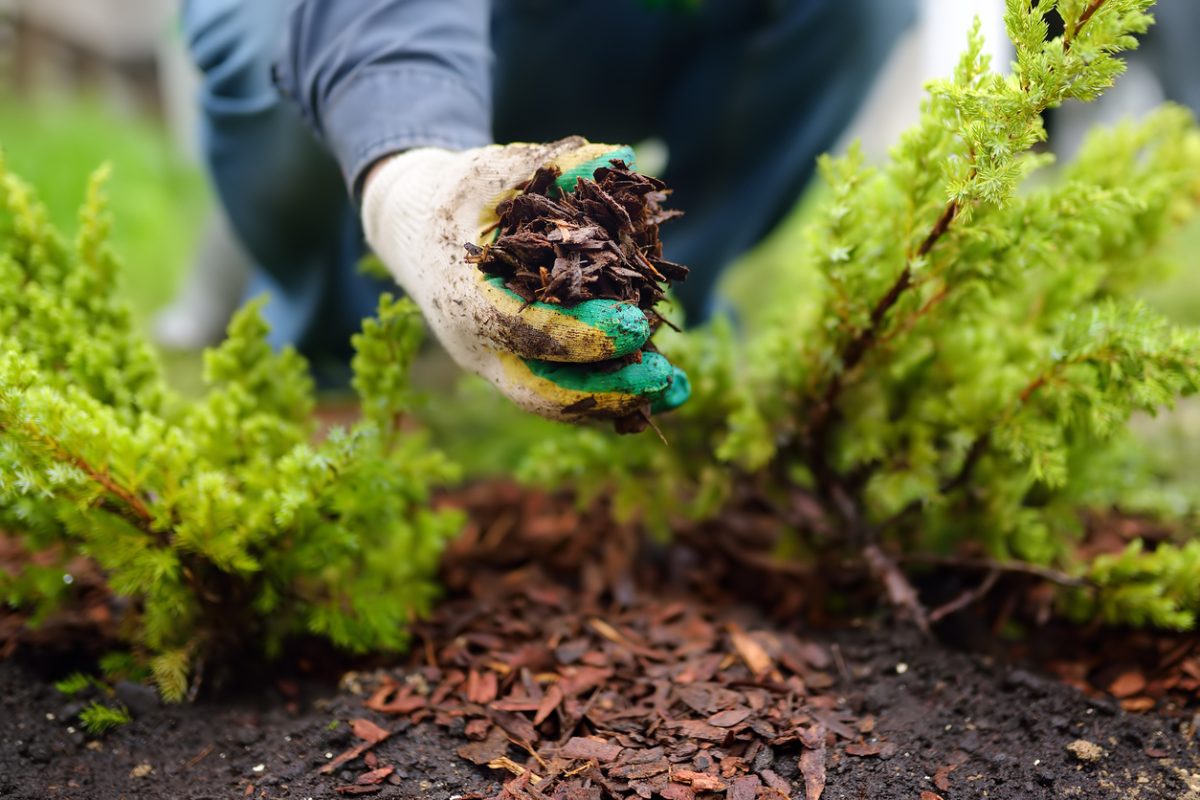
Spread mulch to insulate soil, suppress weeds, and prevent erosion.
-
Sow cover crops like rye or clover in vegetable beds to build organic matter.
FAQ
Q: Should I remove all leaves from my garden beds?
A: Shredded leaves make excellent mulch, but thick, wet mats of whole leaves can smother plants. Rake heavy layers off lawns and beds, then repurpose them in compost or as mulch.
Q: Is it okay to leave some perennials uncut?
A: Yes! Many perennials provide food and shelter for birds and beneficial insects. Leaving some standing also adds winter texture to your landscape.
Quick Takeaway
By clearing out annuals, trimming back perennials, and protecting your soil, you’ll set the stage for healthier, easier gardening next spring.
Local Tip 🌱
In New England gardens, frosts come quickly, so aim to finish most cleanup before the ground freezes. If you’re unsure what to cut back and what to leave, stop by your local garden center—we’re happy to help with plant-specific advice.
✅ Ready to prep your garden for winter? Visit us for compost, mulch, and tools to make the job easier.

