

LAVANDULA PINNATA – FERNLEAF LAVENDER
$41.00
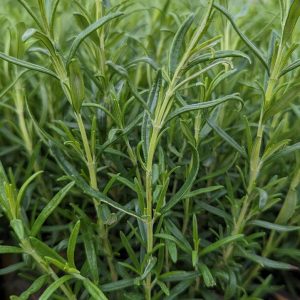
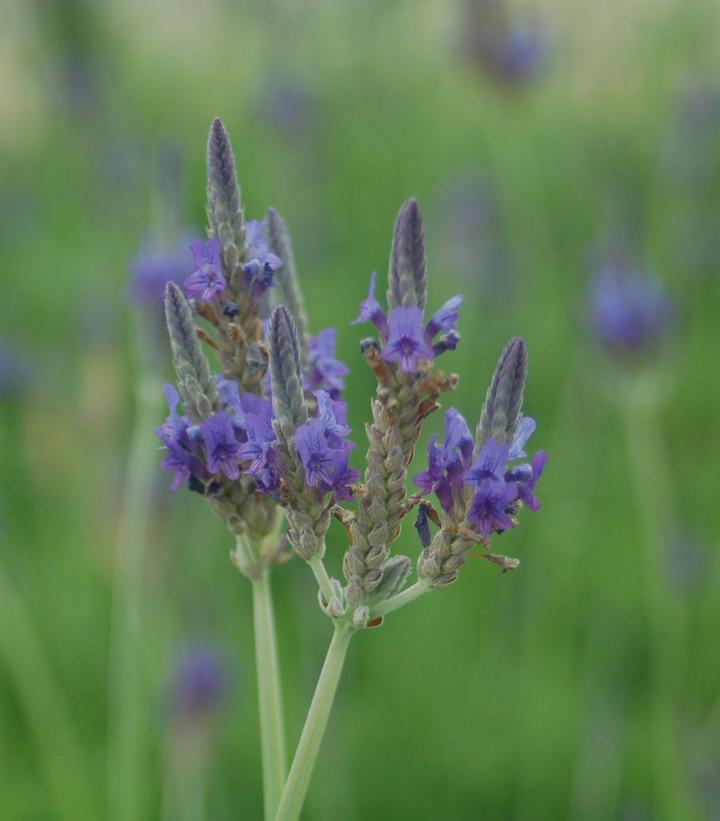
What a beauty!! Deeply cut, grayish green foliage is loaded with sweet lavender scent and is prized for a multitude of uses from food flavoring, to teas, to potpourris, to scented oils and more. A heavy bloomer with deep, lilac-blue flowers, this variety demands well-drained soil and good air flow to perform its best and really showcase its beauty. Tender Perennial/Annual.
316 in stock
Size: #1
Description: Deeply cut, grey-green foliage Fragrant lavender scent Useful for food flavoring, teas, scented oils, and more A heavy bloomer with lilac-blue flowers Requires well-drained soil and good air flow Tender perennial
Hardiness Zone: 7-9
Height: 24-36″
Spread: 24-36″
Grow Tips: Cultivation and Propagation: In general, lavender is a bushy shrub whose stems become a woody tangle when mature. The whole plant is intensely aromatic. The blooms are different shades of lavender, depending on the variety. The new shoots are a bright green. They become gray-green as they mature. Most are hardy to zone 5 and all grow well from zones 5 to 8. They like a pH of 7.1. Drainage is as important a consideration when choosing lavender as is hardiness. Wet winters will kill lavender. When starting a new lavender bed, I dig a trench, line it with stone, and backfill with soil, peat, and perlite. It is a good idea to go light on the fertilizers during the growing season as plants grown in rich soil do not over- winter well. Lavender likes sandy soil in full sun and good air circulation. Starting from seed is difficult. Seeds germinate slowly and grow slowly. Often strains do not breed true from seed. Once you have healthy plants, you might try propagating from cuttings. Most first year plants do not bloom. If they do, blooms should be snipped to encourage vigor and branching. In spring each year, prune and shape plants. This encourages new growth and prevents growth of woody, gnarled stems. Pests: Seldom a problem, but spores of Phoma lavandula on stems produce black spots that will eventually kill the plant. Remove and burn diseased plants.

Related products