

ANETHUM GRAVEOLENS – FERNLEAF DILL
$40.00
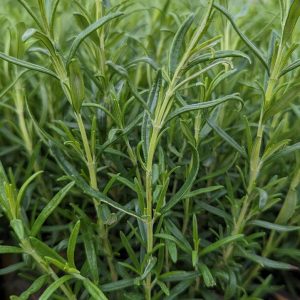
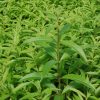
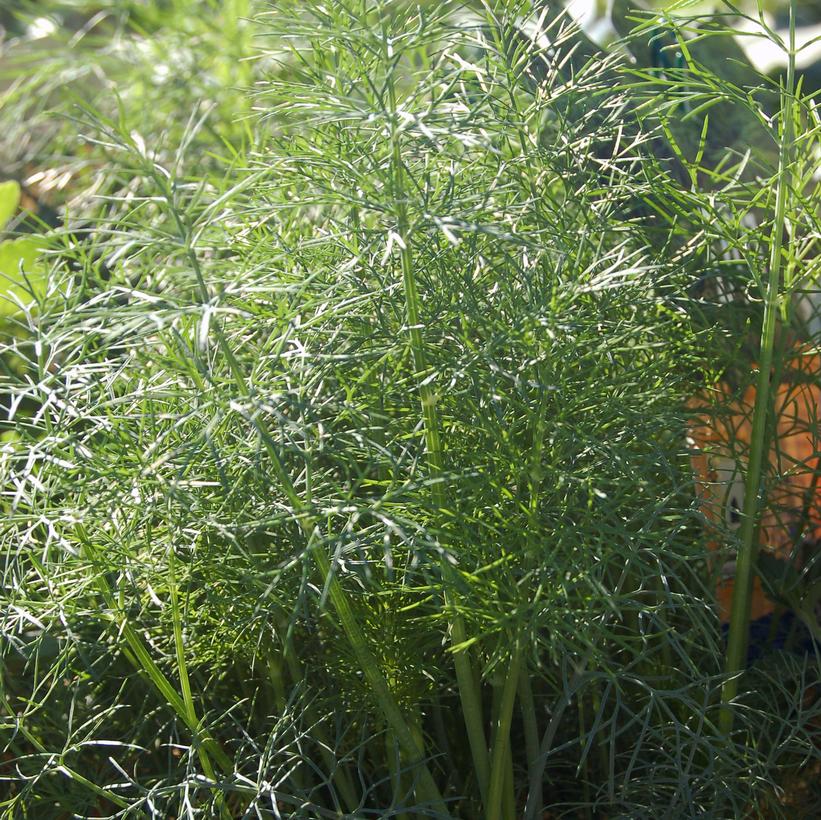
Fine, frilly and flavorful, this dense form of dill puts the zing in dressings, salads and cooked vegetables. Dill loves to grow in full sun, does well in containers, and is very easy to grow. Keep snipping to prevent flowering, which will negatively alter the taste of the plant. Avoid snipping the main stem when possible. Harvest side shoots. Annual
320 in stock
Size: #1
Description: Frilly and fine leaves Dense form of dill Great for dressing, salads and cooked vegetables Easy to grow Great for containers Annual
Hardiness Zone: 8-10
Height: 16-18″
Spread: 16-18″
Grow Tips: Plant in full sun either in the garden or in a container outside. Water regularly, do not allow dill to dry out. Fertilize with compost at planting and regularly thereafter. Cultivation and Propagation: Fernleaf or dwarf dill grows to 18″ high. It has dark green leaves. It is slow to bolt and is grown especially for its leaves rather than its seed. It is a unique dwarf that was developed for container culture. Dill is an annual that looks a lot like fennel, its relative. It has a single, spindly taproot like carrot. One long, hollow stalk comes from the root. Numerous, small, yellow flowers appear on an umbrella-like head. The leaves are like soft needles and are called dillweed. Dill likes a well-drained, moderately rich, moist soil with a pH of 6.0 in full sun. Do not crowd plants because crowding and poor, dry soil will cause it to bolt. Do not plant it next to fennel because they will cross-pollinate and their individual flavors will be lost. It is a good idea to stagger your plantings of dill for a continuous supply. In companion planting, dill enhances the growth of cabbage, onions, and lettuce. It has an adverse effect on carrots. Dill is easy to grow from seed. It needs light to germinate. Cover seeds very lightly with soil. If you are direct-seeding outdoors, choose a permanent site in a sheltered spot for it as it will reseed if you allow it to flower. It does not like to be transplanted, so consider growing it in a 3″ pot rather than in seed trays, using about 4 seeds to a pot. Pests: Watch for aphids. The flower actually attracts many beneficial insects that prey on aphids. Slugs also like dill. Put out beer traps. It is also a favorite of the black swallowtail caterpillar. I grow a little extra for them because the butterfly is so beautiful.

Related products