
blog, Garden Blog, Garden Tips, News and Tips
Perennial of the Month: Hosta
01
May
May
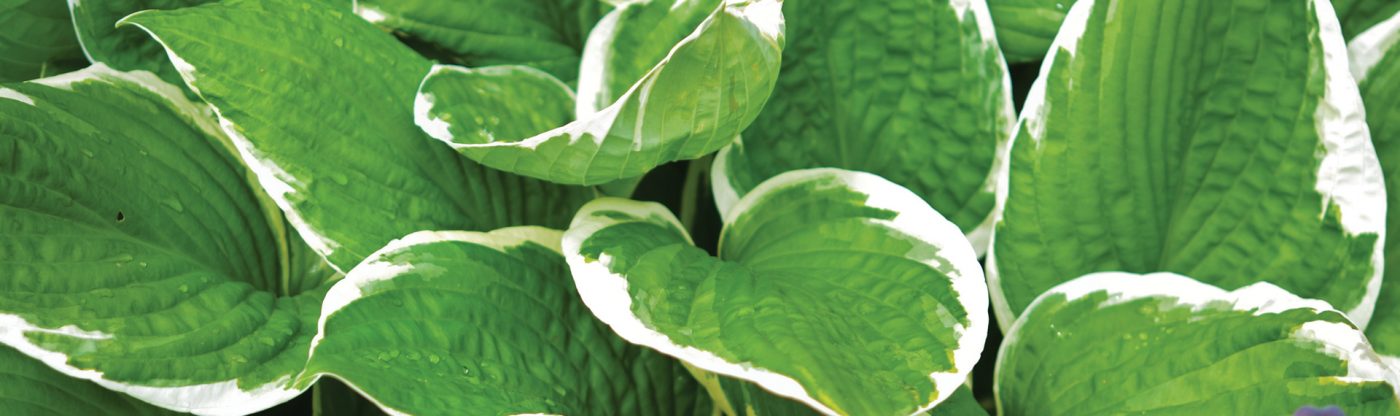
Hosta are hardy perennials that are especially perfect for a shady garden. Reliable and very easy to grow, hosta are long-lived—and may even outlive the gardener!
What’s neat about hosta is that there are so many sizes, heights, textures, and colors. Plus, they work in many kinds of gardens (patio, border, container, rock).Though mainly known for their attractive foliage, the plants also produce lovely flowers during the summer in fragrant pink, lavender, or white. Hummingbirds love the flowers. Note: Slugs, snails, deer, and rabbits like hosta almost as much as people do. Keep this in mind if you have deer regularly wandering into your garden.
HOW TO CARE FOR HOSTAS
- Apply a well-balanced, slow-release fertilizer after planting or when growth emerges in the spring.
- Keep the soil moist but not wet.
- Place mulch around the plants to help retain moisture.
- Remove flower stalks after bloom to encourage new growth.
- Clean up around the plants and remove brown leaves in the fall to help control diseases and slugs.
- Transplanting and dividing is best done in early spring when the leaves just begin to emerge.
TRANSPLANTING OR DIVIDING HOSTAS
Hostas do not usually need dividing for their health. If they have less space, they’ll simply grow less quickly. However, if you wish to divide a hosta for a neater appearance, it’s best to do so in early spring once the ‘eyes’ or growing tips start to emerge from the ground. This is also a good time to move or transplant a hosta to a new site.
Leave as much of the root attached as possible to each crown or plant. Plant the new hostas at the same soil level as they were previously. Water well until established.
PESTS/DISEASES
- Slugs and snails: If you see irregular holes along the leaf’s edges or entire leaves chewed off at the stem nocturnal slugs may be the culprit. Look for shiny slime trails on the leaves or on the ground around the plants.
- Deer: It’s true. Deer love hosta. To discourage deer, use fencing or motion-sensitive sprinklers. Speak to your local garden center about odor-based sprays and deer repellents; the deer will taste the distasteful repellent first.
- Rabbits: If you see clean-cut chew marks on young hosta stems and leaves you may have rabbits in your garden. Look for dropped leaves and rabbit droppings on the ground and around the plants.

