

blog
Hydrangea Pruning Guide: Know Your Type First
Feb
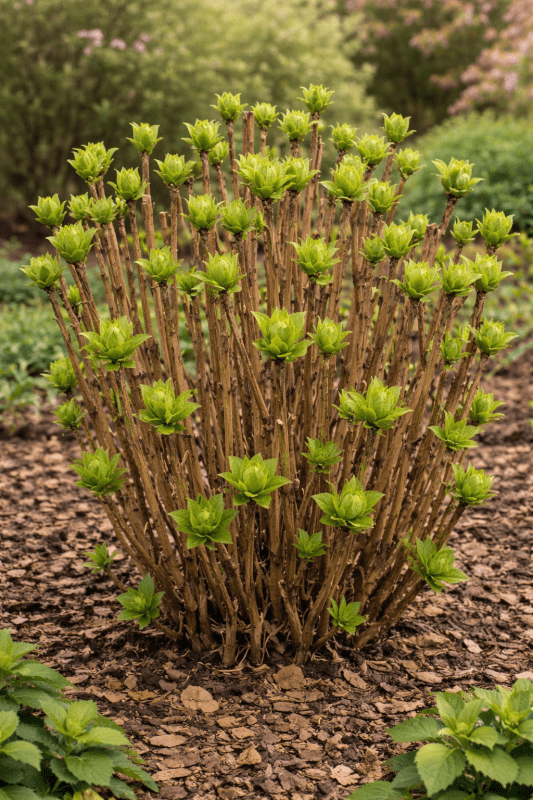
Hydrangeas are a cornerstone shrub in Southeastern Massachusetts gardens, but improper pruning is one of the main reasons they fail to bloom. The solution is straightforward: identify whether your hydrangea blooms on old wood or new wood before pruning.
At Redwood Nursery in Swansea, MA (Zone 6b), we regularly help gardeners correct spring pruning mistakes. Use this guide to protect your blooms this season.
Step 1: Identify Your Hydrangea Type
Old Wood Bloomers
These varieties set flower buds on last year’s stems.
Common types include:
-
Bigleaf Hydrangea (Hydrangea macrophylla)
-
Mountain Hydrangea (Hydrangea serrata)
-
Oakleaf Hydrangea (Hydrangea quercifolia)
-
Climbing Hydrangea
If cut back in early spring, you remove the buds formed the previous summer.
Pruning guidance:
-
Remove only dead stems in early spring.
-
Shape or reduce size immediately after flowering in summer.
New Wood Bloomers
These varieties produce flowers on current season growth.
Common types include:
-
Panicle Hydrangea (Hydrangea paniculata) — including many Proven Winners® selections
-
Smooth Hydrangea (Hydrangea arborescens)
Pruning guidance:
-
Prune in late winter or early spring.
-
Reduce plant size by one-third to one-half before new growth begins.
Common Spring Pruning Mistakes
1. Cutting Everything Back
This is the most common mistake with bigleaf hydrangeas. Heavy spring pruning removes developing flower buds.
2. Misidentifying Dormant Wood as Dead
Perform a scratch test.
-
Green beneath the bark = alive
-
Brown and brittle = dead
Only remove truly dead stems.
3. Pruning After Early Warm Spells
Zone 6b weather can fluctuate. Premature pruning may expose buds to late frost damage.
4. Over-Pruning Young Shrubs
Hydrangeas develop stronger structure when lightly shaped in their early years rather than heavily reduced.
Growing Stronger Hydrangeas in Swansea, MA
-
Plant in morning sun with afternoon shade, especially near the shoreline.
-
Improve soil with organic amendments such as Espoma® for consistent moisture retention and root health.
-
Apply 2–3 inches of mulch to stabilize soil temperatures.
-
Avoid high-nitrogen fertilizers, which encourage leafy growth over blooms.
If deer browsing is a concern, position hydrangeas closer to high-traffic areas or incorporate them into mixed shrub borders to reduce visibility and access.
When You’re Unsure, Wait
If you do not know which type you have, allow the plant to bloom this season and observe timing and flower form. This will guide pruning decisions in future years.
For accurate identification, bring a photo or sample branch to our team.
Visit Redwood Nursery in Swansea, MA to explore Proven Winners® hydrangeas, ColorChoice® shrubs, and expert planting advice tailored to Southeastern Massachusetts gardens.
Download our app for care reminders, promotions, and seasonal updates:
https://apjl.app/redwoodnursery
FAQ: Hydrangea Pruning
Why didn’t my hydrangea bloom?
Old wood varieties are often pruned in early spring, removing buds. Late frost injury may also reduce flowering.
Can I cut my hydrangea to the ground?
Only smooth hydrangeas (Hydrangea arborescens) tolerate hard pruning. Most others should not be cut back completely.
When is the safest time to prune?
Late winter to early spring for new wood bloomers. Immediately after flowering for old wood types.
How can I tell which type I have?
Look at bloom timing and flower shape, or bring photos to Redwood Nursery for assistance.
For plant selection and pruning guidance specific to Zone 6b, stop by Redwood Nursery in Swansea, MA.

