

blog, Garden Blog
Feeding the Birds: Creating a Wildlife-Friendly Winter Garden
Jan
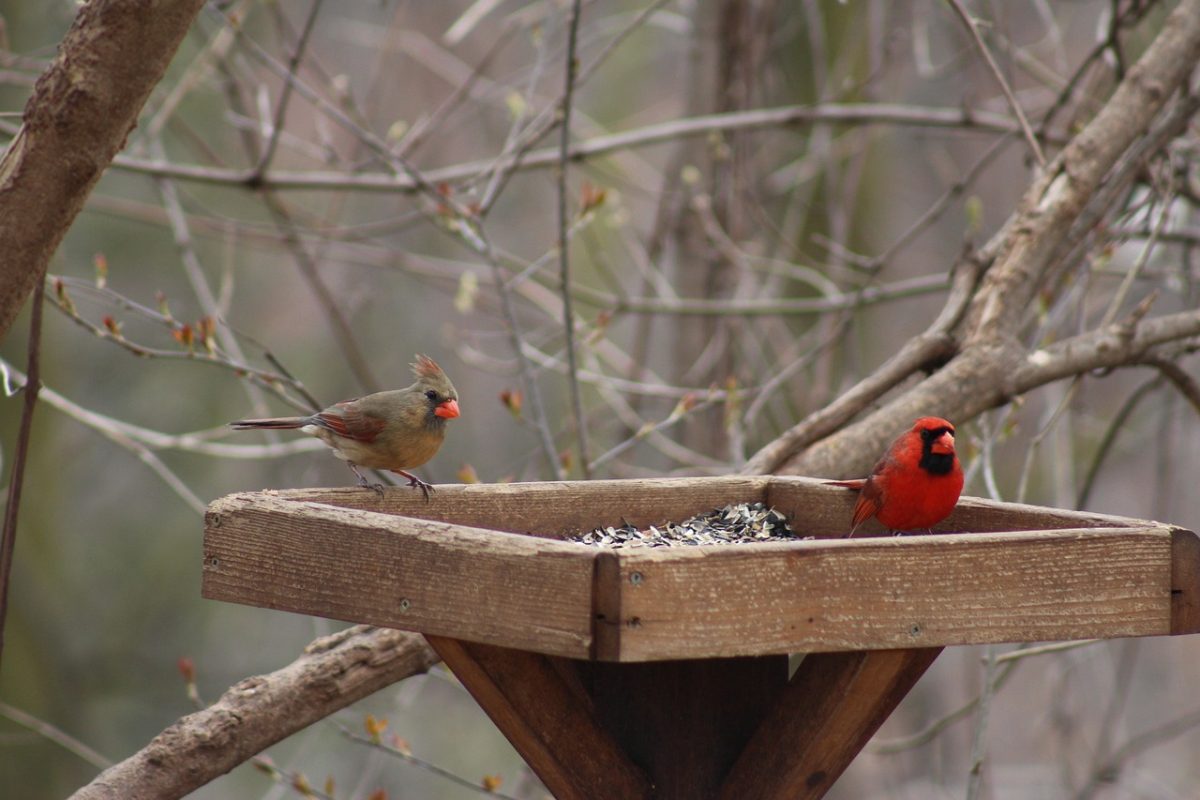
🐦❄️ Winter can be a challenging time for birds and other wildlife, but with a few thoughtful touches, your garden can become a sanctuary that provides essential food, water, and shelter. At Redwood Nursery in Swansea, MA, we’re passionate about helping gardeners support local wildlife while enjoying the beauty of a winter landscape. Here’s how you can transform your garden into a wildlife-friendly haven this winter.
1. Provide a Buffet of Natural Foods 🌻
Birds rely heavily on natural food sources in winter, such as seeds, berries, and nuts. Incorporating plants that provide these can help sustain wildlife through the colder months.
Best Plants for Winter Food:
- Winterberry (Ilex verticillata): Bright red berries attract cardinals, robins, and cedar waxwings.
- Sunflower and Coneflower (Echinacea): Leave seed heads intact for finches and sparrows.
- Oak Trees: Acorns are a vital food source for many birds and squirrels.
Pro Tip: Avoid cutting back perennials like goldenrod and asters until spring—these seed heads are invaluable for overwintering birds.
2. Set Up Feeders with High-Energy Foods 🍂
Supplement natural food sources with bird feeders stocked with nutrient-rich options:
- Black Oil Sunflower Seeds: A favorite for most backyard birds.
- Suet Cakes: Provide essential fats for energy during cold weather.
- Peanuts: Loved by woodpeckers, jays, and nuthatches.
- Nyjer Seed: Attracts goldfinches and pine siskins.
Tip for Success: Place feeders near shrubs or evergreens, giving birds a safe place to retreat from predators.
3. Don’t Forget Water! 💧
Fresh water is often more critical than food in winter, as natural sources freeze over.
How to Keep Water Available:
- Heated Bird Baths: Prevent water from freezing.
- Daily Maintenance: Break ice and refill baths as needed.
- Placement Tip: Keep water sources in open, sunny areas to reduce freezing and provide visibility for birds.
4. Create Cozy Shelters 🌲
Birds and small mammals need places to escape harsh weather and predators.
Top Shelter Options:
- Evergreens and Dense Shrubs: Provide cover from snow and wind. Consider adding junipers, hollies, or arborvitae.
- Brush Piles: Use fallen branches and leaves to create a natural refuge for small animals.
- Nest Boxes: Install birdhouses suitable for winter roosting; look for designs with small entrances to retain heat.
Expert Tip: Place shelters away from heavy traffic areas to minimize disturbance.
5. Keep It Safe and Sustainable 🌱
Creating a wildlife-friendly garden also means ensuring it’s safe for visitors.
- Skip Pesticides: Use organic alternatives like Bonide solutions to avoid harming birds and insects.
- Choose Native Plants: American Beauties Native Plants provide food and shelter tailored to local wildlife.
- Prune Mindfully: Avoid pruning shrubs or trees that harbor nests.
6. Bonus: Attract Beneficial Insects 🐞
Even in winter, certain insects like overwintering pollinators play a vital role in the ecosystem. Leaving dead plant stems, installing bee hotels, and adding logs to your garden can support these helpful creatures.
Visit Redwood Nursery for Wildlife-Friendly Gardening Essentials
Our team at Redwood Nursery is here to help you create a winter haven for birds and wildlife. We stock everything you need, from bird feeders and suet cakes to native plants and organic fertilizers.
👉 Exclusive Offer: Download our app here and use promo code welcome24 for $10 off purchases over $65.
Follow Us for More Inspiration:
- Facebook: @RedwoodNursery
- Instagram: @RedwoodNursery
Make this winter a season of giving—not just to your garden, but to the wildlife that depends on it. A little effort goes a long way in creating a thriving, wildlife-friendly space! 🐦🌿

