
blog
🐝 Build a Bee House: A Pollinator Project with Big Benefits
May
Pollinators like native bees are essential to a thriving garden—and giving them a safe place to nest is one of the easiest and most impactful ways to support them. With habitat loss on the rise, especially for solitary bees like mason bees and leafcutter bees, building or installing a bee house offers a simple, hands-on way to make a difference.
Why Bee Houses Matter
Unlike honeybees, most native bees live alone and don’t form hives. About 70% nest in the ground, but the rest—like mason bees—look for small tunnels in wood, hollow stems, or similar spaces to lay their eggs. Unfortunately, these natural habitats are disappearing due to landscaping practices and development. That’s where bee houses come in!
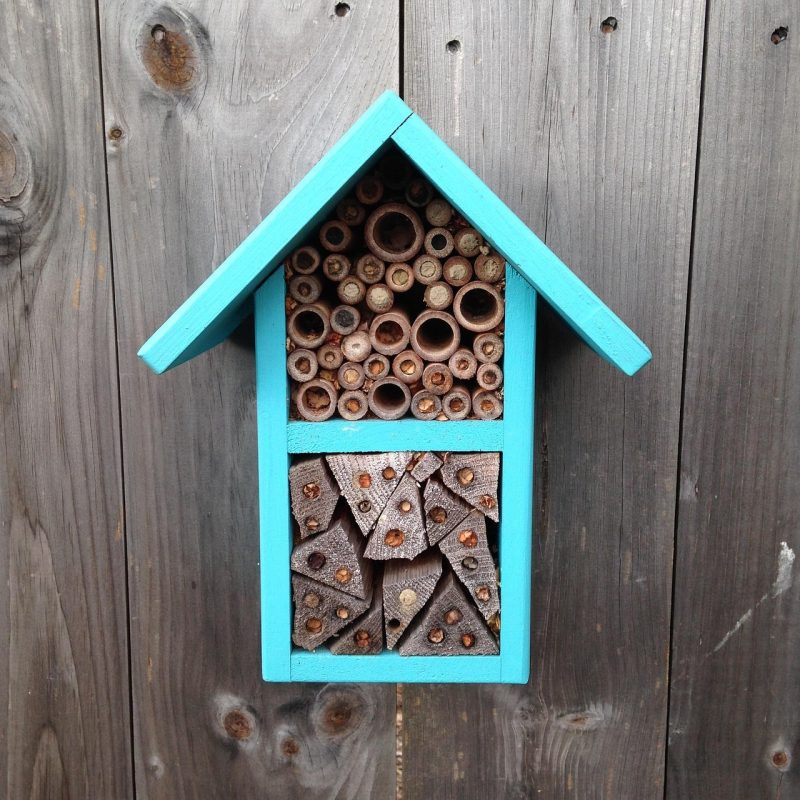
A bee house mimics these natural nesting sites. By placing one in your yard or garden, you’re:
-
Helping native bee populations thrive
-
Increasing pollination for your fruits, veggies, and flowers
-
Creating a fun, educational project for kids and families
-
Supporting biodiversity and the health of your local ecosystem
How to Build a Bee House
You don’t need fancy tools or skills to make a bee house. Here’s a simple guide:
🧰 What You’ll Need:
-
A wooden box or sturdy frame (6–8″ deep)
-
Hollow plant stems (like bamboo), paper tubes, or a block of untreated wood with holes drilled 4–6″ deep and 5/16″ wide
-
Overhanging roof to keep it dry
-
A waterproof backing (closed back is important)
-
Twine or wire for mounting
🛠️ Steps:
-
Cut or gather nesting materials (bamboo, reeds, paper tubes).
-
Drill holes into your wood block or bundle the tubes tightly together.
-
Insert the tubes into the box or frame with the closed end at the back.
-
Secure the structure and add a small sloped roof to protect from rain.
-
Mount it 3–5 feet off the ground on a wall, fence, or post, facing east or southeast for morning sun.
-
Keep away from bird feeders and exposed areas with high wind or moisture.
🌼 Pro Tip: Use Coast of Maine soil and Espoma Flower-tone to boost your blooms—healthy plants = happy pollinators!
Maintenance Tips
-
Clean or replace nesting materials each spring to prevent disease.
-
Avoid pesticides in the area.
-
Keep the area around the bee house weeded and sunny.
-
Offer nearby food—pollinator-friendly plants like Monarda, Echinacea, and Salvia are great options (many available now at Redwood Nursery).
Shop Smart with Redwood Direct
Want a bee house without the DIY? We’ve got you covered! Check out pre-made pollinator habitats and bee-friendly plants at RedwoodNursery.com and through our Redwood Direct program. With in-app shopping and exclusive app-only deals, it’s never been easier to grow your pollinator paradise.
📲 Download the Redwood Nursery App to get updates on pollinator-friendly plant arrivals, project ideas, and special offers.
Let’s Grow Together 🌱
Building a bee house is more than just a garden project—it’s a small act of stewardship. Whether you’re a seasoned gardener or just getting started, you’re making a difference for the pollinators that power our plants and our planet.

