

blog, Garden Blog
🍂 Pruning Basics: What (and What Not) to Cut Back in Fall
Oct
Timing and techniques for shrubs, perennials, and trees in autumn
Why Fall Pruning Matters
As the growing season winds down, it’s natural to want to tidy up your garden. But fall pruning requires a bit of strategy. Some plants benefit from a trim, while others depend on old growth for protection or next year’s blooms. Understanding what to cut—and what to leave—keeps your garden healthy, resilient, and beautiful come spring.
🌿 What to Prune in Fall
1. Dead or Diseased Wood
Remove dead, damaged, or diseased branches from trees and shrubs to prevent pests and diseases from overwintering.
2. Spent Perennials
Cut back perennials that are clearly finished for the season, especially those that collapse or show signs of disease (like bee balm or phlox). Compost healthy cuttings and discard any that are diseased.
3. Overgrown Shrubs (Selectively)
Lightly shape fast-growing shrubs such as spirea or weigela once they’ve gone dormant. Avoid heavy pruning that might trigger tender new growth.
🚫 What Not to Prune in Fall
1. Spring-Blooming Shrubs
Lilacs, azaleas, rhododendrons, and forsythia have already set buds for next spring—cutting them now removes next year’s flowers.
2. Evergreens
Boxwood, holly, and other evergreens are best pruned in late winter or early spring to reduce winter burn risk.
3. Roses
Aside from removing dead or broken canes, wait until spring to prune roses. Fall pruning can expose them to cold damage.
🕒 Best Timing & Technique
-
Wait until after the first frost to prune perennials.
-
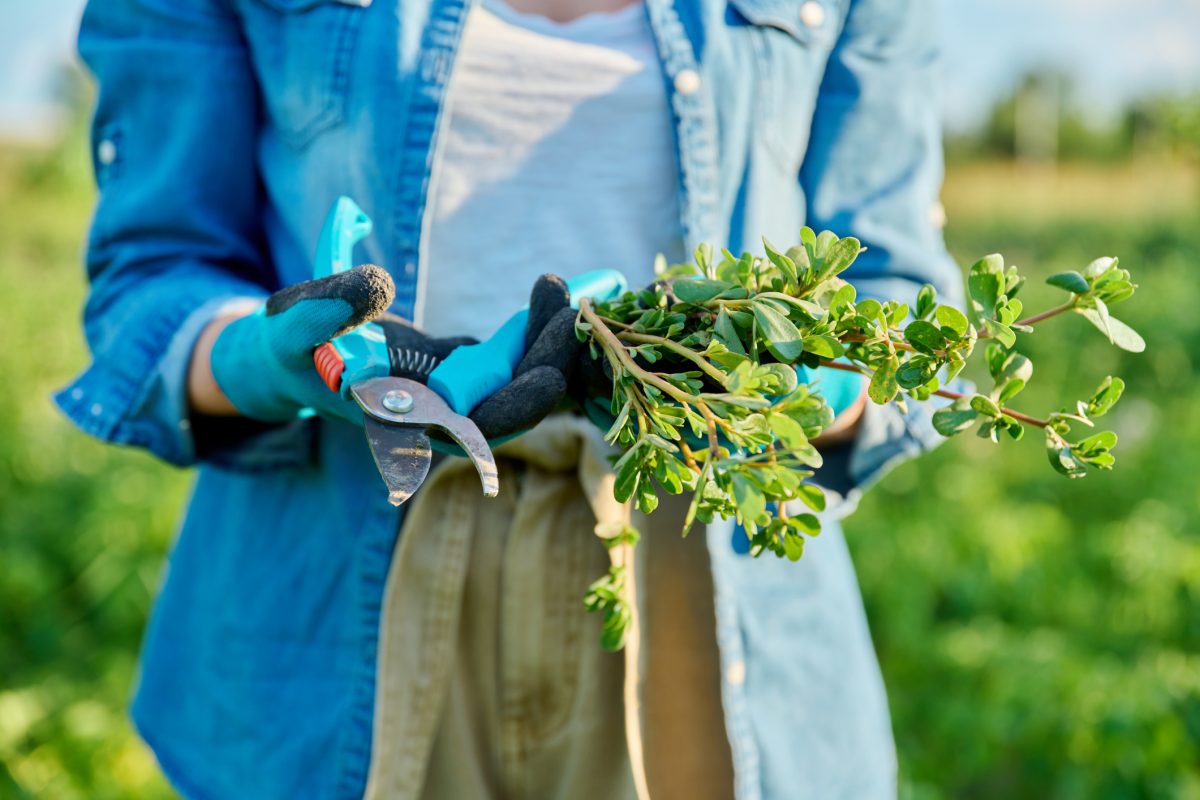
Always use sharp, clean tools to prevent disease spread.
-
Make cuts just above a node or branch collar for best healing.
-
When in doubt, prune lightly—nature will reward restraint.
❓ Fall Pruning FAQs
Q: Can I prune hydrangeas in fall?
A: It depends on the variety. Panicle (Hydrangea paniculata) and smooth (Hydrangea arborescens) types can be pruned in fall or late winter. Bigleaf and oakleaf hydrangeas bloom on old wood—wait until after flowering in summer.
Q: Should ornamental grasses be cut back now or in spring?
A: Either works! Leaving them up adds winter interest and provides habitat for beneficial insects. Cut back in early spring before new growth starts if you prefer a tidier look.
Q: Is fall pruning good for trees?
A: Light pruning is fine, especially for dead or damaged branches. But major shaping or structural pruning is best saved for late winter when trees are fully dormant.
Q: Will pruning help control plant size long-term?
A: Yes—but timing matters. Frequent light pruning during the correct season encourages a strong structure without stressing the plant.
🌸 Quick Takeaway
Fall pruning is about clean-up, not cutback. Focus on removing dead or diseased material and save major pruning for spring. Smart timing helps protect next year’s blooms and keeps your landscape strong and healthy through winter.
🌳 Local Tip from Redwood Nursery
Before you grab the shears, visit Redwood Nursery for expert advice on timing, technique, and the best pruning tools. Stock up on Espoma organic fertilizers, Coast of Maine soils, and Proven Winners® shrubs to keep your garden thriving through every season.
🛒 Explore our direct-ship selection of plants and supplies through Redwood Direct
📲 Download the Redwood Nursery App for seasonal care tips, exclusive deals, and easy shopping: https://apjl.app/redwoodnursery
And don’t forget to join our Plant a Pollinator program—every garden makes a difference! 🌼

