
blog
🌼 Create a Buzz: How to Build a Pollinator Paradise in Your Backyard
Jun
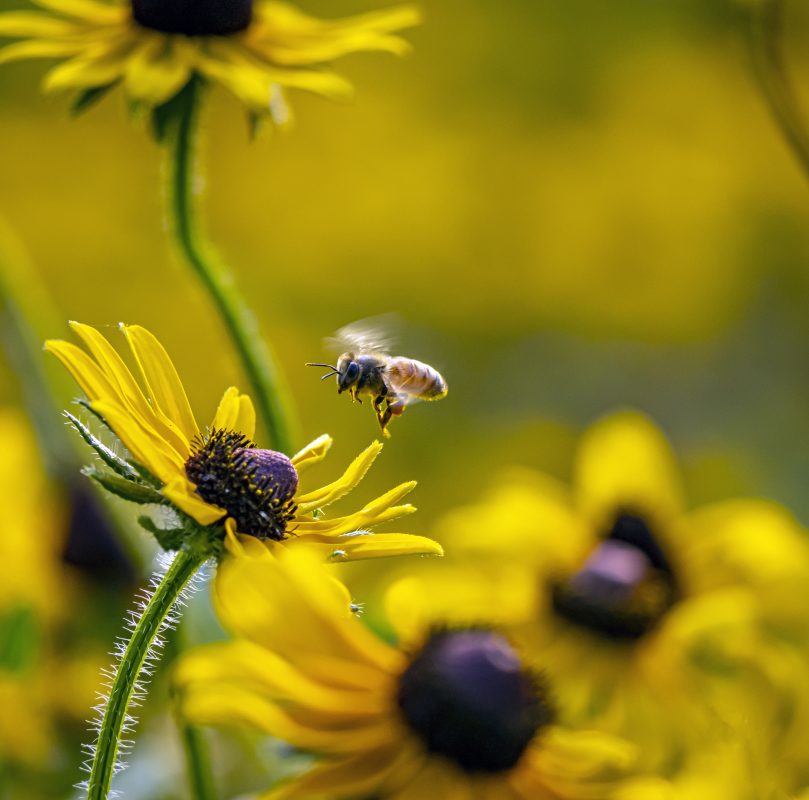
If you’ve ever marveled at the beauty of butterflies, bees, and hummingbirds dancing among your flowers, it’s time to turn your garden into a sanctuary that supports their vital role in the ecosystem. This guide will walk you through how to design, plant, and maintain a pollinator-friendly garden — with layout tips, plant groupings, and watering strategies that ensure success.
🐝 Why Plant a Pollinator Garden?
Pollinators — like bees, butterflies, moths, hummingbirds, and even some beetles — are essential for over 75% of flowering plants and crops. But they need your help. Habitat loss and pesticide use are threatening their survival. Creating a pollinator garden provides food, shelter, and a pesticide-free refuge.
As part of Redwood Nursery’s Plant a Pollinator initiative, building your pollinator garden also means participating in a larger movement that supports biodiversity and beauty in your own backyard. Plus, you can earn rewards and access exclusive content by joining through the Redwood Direct program and downloading the Redwood Nursery app: Download here.
🌿 Step 1: Pick the Perfect Location
Pollinators love warmth and sun. Choose a spot that:
-
Gets at least 6 hours of direct sunlight per day
-
Is sheltered from strong winds (using shrubs or fencing)
-
Has good drainage but retains some moisture
Pro tip: Even a small area (4’x4′) or a few containers can make a difference!
🌸 Step 2: Design the Layout
When designing your layout:
-
Group plants in clusters of at least 3–5 of the same variety. This makes it easier for pollinators to find and feed efficiently.
-
Include a mix of heights, colors, and bloom shapes to attract a variety of species.
-
Plan for season-long blooms: early spring, summer, and fall.
Basic Layout Plan (10’x10′):
-
Back row: Tall perennials like Echinacea and Joe Pye Weed
-
Middle: Medium-height plants like Bee Balm, Yarrow, and Black-eyed Susan
-
Front: Low-growing groundcovers like Creeping Thyme or Sweet Alyssum
🌼 Step 3: Choose Pollinator-Friendly Plants
At Redwood Nursery, we recommend Proven Winners and native selections that are easy to grow, beautiful, and beneficial to pollinators.
🦋 Best Picks for Southeastern MA Gardens:
-
Spring: Phlox subulata, Salvia nemorosa, Lupine
-
Summer: Echinacea, Milkweed (Asclepias tuberosa), Bee Balm (Monarda)
-
Fall: Goldenrod, Asters, Sedum ‘Autumn Joy’
Use Espoma organic soils and fertilizers to enrich your garden — safe for pollinators and gentle on the environment. Coast of Maine compost and mulch also help retain moisture while nourishing the soil.
💧 Step 4: Water Wisely
Pollinator gardens don’t need heavy watering, but consistency is key during establishment:
-
New plantings: Water 2–3 times per week during the first month
-
Established gardens: Water deeply once a week
-
Container gardens: Check daily; containers dry out faster
Use a soaker hose or drip irrigation to keep leaves dry and reduce disease risk.
🪵 Step 5: Add Pollinator Amenities
Enhance your garden by including:
-
Shallow water dishes or a birdbath with stones for landing
-
Undisturbed bare ground for ground-nesting bees
-
Dead wood or brush piles for beetles and solitary bees
-
Avoid chemicals — even organic sprays can harm beneficial insects
🌻 Step 6: Join the Movement
Redwood Nursery is proud to be part of the Grow Campaign and supports pollinator awareness with:
-
In-store signage and staff picks
-
Exclusive promotions via the Redwood Direct program
-
Educational push notifications through our free app
📲 Download the Redwood Nursery App: https://apjl.app/redwoodnursery
🐞 Final Tip: Start Small, Grow Big
Whether you plant one container or a whole garden bed, every bloom counts. Pollinators will thank you — and so will your tomatoes, blueberries, and flowers.
Let’s grow together. Let’s plant a pollinator paradise. 🌺

